
As businesses continue to generate and manage more data, the need for secure, reliable, and scalable infrastructure has become more important than ever. For many companies, building and maintaining a private data center is expensive, time-consuming, and difficult to scale. That is where colocation data centers come in.
A colocation data center, often called a “colo,” is a facility where businesses rent space to house their own servers, networking equipment, and IT infrastructure. Instead of managing an entire building and its supporting systems, companies place their hardware in a professionally managed facility that provides power, cooling, physical security, and network connectivity.
In a colocation environment, multiple businesses operate within the same facility while maintaining control over their own equipment. The data center provider manages the building infrastructure, including:
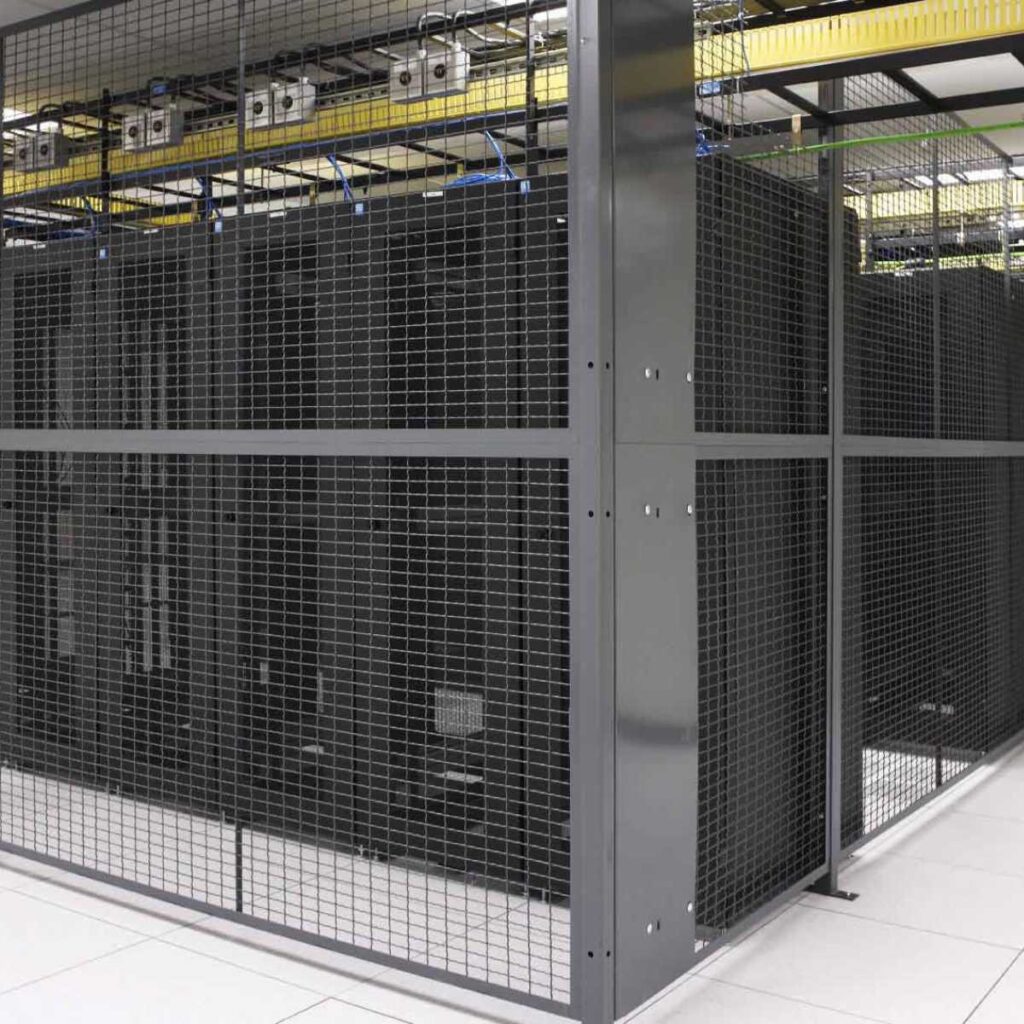
Customers typically lease space in the form of individual cabinets, cages, or private suites, depending on their operational needs and security requirements.
Colocation data centers offer several advantages for organizations that need enterprise-level infrastructure without the cost of building their own facility.
Businesses can expand their infrastructure over time without relocating or investing in additional buildings and utilities. Many colocation providers allow customers to add racks, cages, or suites as their needs grow.
Most colocation facilities are designed with backup power systems, redundant cooling, and multiple network connections to help maximize uptime and protect critical operations.
Physical security is a major priority in colocation facilities. Providers often use layered security measures such as controlled access points, surveillance systems, locked cabinets, and secured cages to protect customer equipment.
Building a private data center requires significant investment in real estate, electrical infrastructure, cooling systems, and ongoing maintenance. Colocation allows businesses to leverage existing infrastructure while focusing their resources on core operations instead.
Not every colocation customer requires the same amount of space or security. Facilities typically offer several deployment options:
Colocation facilities support organizations across many industries, including:
These organizations often rely on colocation to improve uptime, meet compliance requirements, and support growing digital operations.
As cloud computing, AI applications, and digital services expand, the demand for colocation infrastructure grows alongside them. Businesses need facilities that can support higher power densities, secure environments, and scalable deployments without sacrificing reliability.
Modern colocation data centers have become critical hubs for connectivity, cloud access, and secure infrastructure management in today’s digital economy.
Colocation data centers play an important role in helping businesses manage infrastructure efficiently while maintaining control over their own hardware. From small deployments to large-scale enterprise operations, these facilities provide the security, scalability, and reliability organizations need to support modern technology demands.



We have the expertise and the capacity to craft the perfect solution for you!
| Privacy Policy | Cookie Policy | Website Design by The Marketing Squad