
Streaming platforms, artificial intelligence, and cloud services require massive amounts of computing power. As digital demand grows, technology companies need facilities that can handle large workloads at scale. This demand has fueled the growth of hyperscale data centers.
A hyperscale data center is a large facility built to support extensive computing infrastructure. These facilities can grow as technology needs change. Operators can add servers, storage, and network resources as demand increases. Hyperscale data centers often support cloud platforms, AI applications, big data, and global online services.
Companies such as Amazon Web Services, Microsoft, Google, and Meta operate some of the largest hyperscale data centers in the world.
Traditional enterprise data centers often support the needs of one organization. Hyperscale facilities operate on a much larger level. They can support thousands of servers and huge amounts of traffic across global networks.
These facilities prioritize:
Hyperscale operators also plan for growth from the start. Many facilities expand in phases. This approach allows operators to add capacity without redesigning the entire facility.
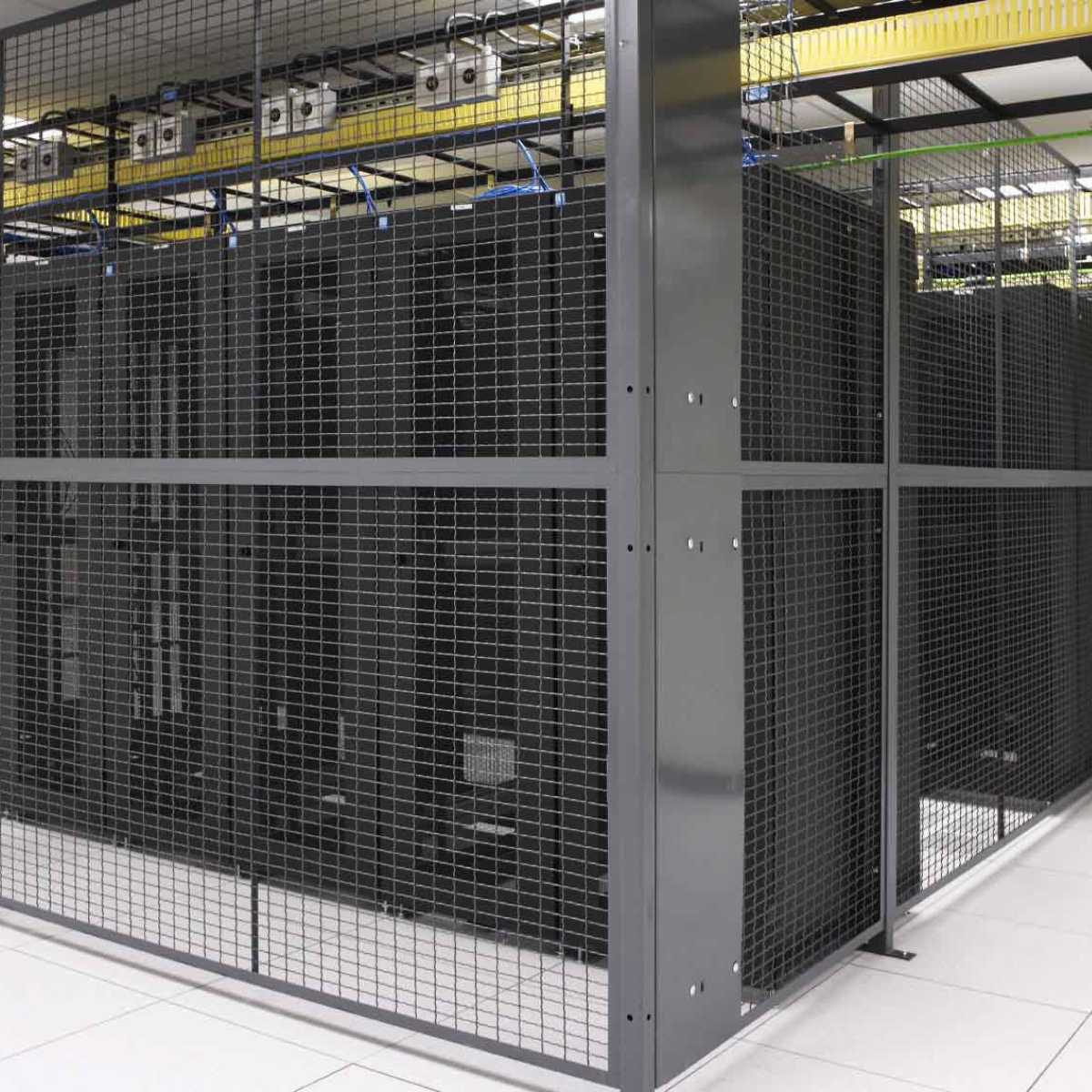
Hyperscale facilities can span hundreds of thousands or even millions of square feet. They may house tens of thousands of servers. These servers support cloud computing, streaming services, AI workloads, and other applications.
The size of these facilities also creates unique needs for security, airflow, access, and space management.
The ability to scale quickly defines a hyperscale data center. Operators need infrastructure that can grow without major disruptions.
They can add servers, storage systems, and network equipment as workloads increase. Flexible facility designs also make future expansion easier.
Hyperscale data centers use large amounts of power. As a result, operators focus on energy use and cooling efficiency.
Advanced cooling systems help control heat from high-density server equipment. Facility design can also help direct airflow and separate different areas.
Wire mesh division walls systems can support these layouts by separating multi-hall galleries while still allowing air to move freely through the space. This open design helps maintain more consistent airflow compared to solid wall construction, which can restrict circulation. Operators can use these systems to create defined areas without compromising airflow performance.
Hyperscale data centers rely on automation to manage large and complex environments. Automated systems can track server performance, power use, cooling, and security.
This technology gives operators better insight into facility conditions. It can also help teams find and address issues faster.
Downtime can affect millions of users at once. Hyperscale facilities use several systems to help maintain reliable operations.
Backup generators, redundant power systems, multiple network connections, and failover systems help protect against service disruptions. Facility teams also plan for maintenance without shutting down critical operations.
Hyperscale facilities support many of the digital services people use each day, including:
AI has created even more demand for large-scale computing infrastructure. These workloads often require high-performance servers, greater power capacity, and efficient cooling systems.
Servers may be the main focus of a hyperscale facility, but these sites also need space for equipment, parts, tools, and other materials.
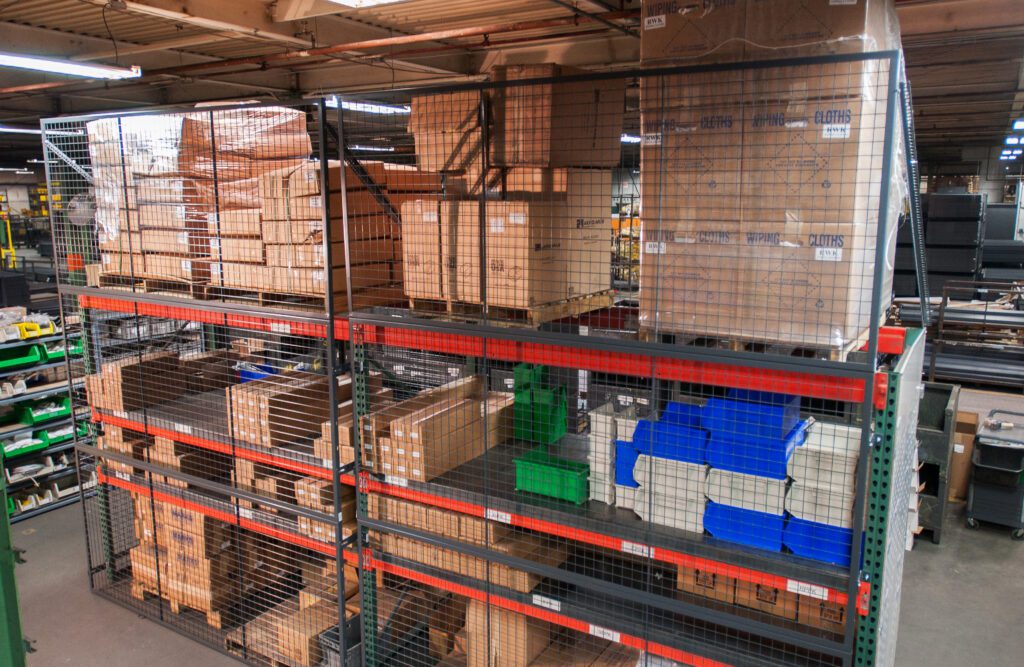
Storage areas must stay organized and safe. Items stored on pallet racks can create a risk if products fall from the back of the rack. This can put employees, equipment, and nearby work areas at risk.
WireCrafters RackBack® Pallet Rack Backing Safety Panels create a physical barrier along the back of pallet racks. The panels help contain stored materials and reduce the risk of items falling into aisles or work areas.
RackBack® can provide added protection in storage and support areas throughout a hyperscale data center.
Demand for cloud services, connected devices, streaming content, and AI applications continues to increase. Businesses and consumers also expect fast access to digital services with little downtime.
Hyperscale operators continue to build larger and more advanced facilities to meet those needs. Many companies also expand into new regions to improve network performance and bring services closer to users.
Security plays a critical role in hyperscale operations. These facilities often use several layers of physical and digital protection, including:
The size of a hyperscale facility can make physical separation just as important as access control. Operators may need to divide server halls, equipment areas, storage spaces, and other restricted zones.
Physical barriers can help define these spaces and guide access throughout the facility. They can also support security plans without limiting visibility or airflow.
AI, automation, and cloud technology continue to change how hyperscale facilities operate. At the same time, operators must find better ways to manage power, cooling, security, and space.
Facility infrastructure will need to evolve with these demands. Flexible physical barriers, airflow-friendly separation, and safer storage solutions can help operators prepare their facilities for continued growth.



We have the expertise and the capacity to craft the perfect solution for you!
| Privacy Policy | Cookie Policy | Website Design by The Marketing Squad