
When you stream a video, join a video call, use a navigation app, or interact with a smart device, you expect an immediate response. Behind that speed is a growing network of infrastructure designed to process data closer to where it is generated and consumed. That infrastructure often includes edge data centers.
An edge data center is a smaller, strategically located facility that processes and stores data closer to end users, devices, or applications. By reducing the distance data must travel, edge data centers help improve performance, decrease latency, and support real-time applications.
As organizations generate more data through connected devices, cloud applications, and emerging technologies, edge computing has become an increasingly important part of modern IT infrastructure.
Traditional data centers often sit hundreds or even thousands of miles away from the people and devices using them. While centralized facilities remain essential, some applications cannot tolerate the delays that come with transmitting data across long distances.
Edge data centers address this challenge by moving computing resources closer to the source of the data.
Instead of sending every request to a centralized facility, organizations can process certain workloads locally. This approach allows systems to respond more quickly and efficiently.
Edge data centers act as local processing hubs within a larger network infrastructure.
When a user accesses an application or a device generates data, the edge facility can process information locally. It can then send only the necessary data to a larger regional or cloud data center.
This approach helps reduce network congestion while improving response times for critical applications.
Edge facilities often support:
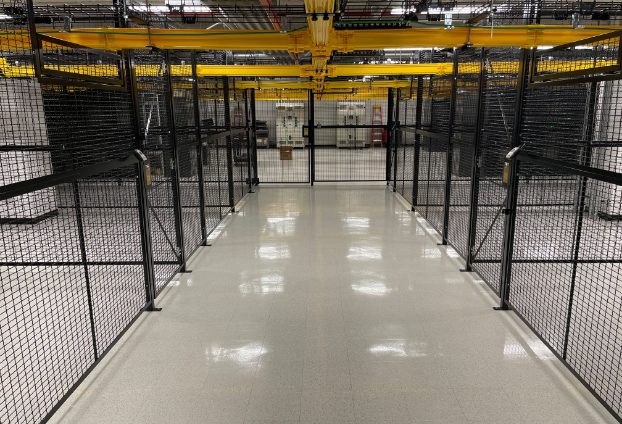
Some edge facilities may also support equipment and infrastructure for several customers. These environments need clear physical boundaries to protect each customer's equipment and control access.
Latency refers to the time it takes for data to travel between devices and applications. Even small delays can impact performance for certain technologies.
By placing infrastructure closer to users, edge data centers help reduce latency and improve application responsiveness.
This is especially important for applications that require near-instant communication.
Faster response times often lead to better user experiences. Whether someone is streaming content, participating in a virtual meeting, or interacting with a mobile application, edge infrastructure helps deliver information more quickly.
Not every piece of data needs to travel to a centralized facility for processing. Edge data centers can filter, analyze, and process information locally before transmitting only relevant data to larger data centers or cloud environments.
This approach helps reduce network traffic and bandwidth consumption.
Local processing capabilities can help organizations maintain operations even when connectivity to a central facility becomes limited.
Many businesses use edge infrastructure to improve resilience and support critical operations in remote locations.
Edge data centers may be smaller than other types of data centers, but physical security remains important. Operators need to protect servers, network equipment, and other critical infrastructure from unauthorized access.
Individual customer security cages can create dedicated spaces within a shared facility. Wire mesh cages provide a physical barrier around customer equipment while maintaining visibility and airflow. Operators can also add controlled access doors and locks based on the security needs of the space.
These cages help separate customer equipment and create clear security zones without requiring permanent solid walls. This flexibility can also help edge facilities adjust their layouts as customers and technology needs change.
The growth of connected technologies continues driving demand for edge infrastructure across numerous industries.
Connected sensors, devices, and equipment generate enormous amounts of data. Edge data centers help process that information locally, enabling faster decision-making and more efficient operations.
Self-driving vehicles, robotics, and automated equipment rely on real-time data processing. Delays of even a few milliseconds can impact performance and safety.
Edge computing helps provide the speed these systems require.
Streaming services, online gaming platforms, and digital media providers use edge infrastructure to deliver content closer to users and reduce buffering or lag.
Manufacturers use edge computing to support automation systems, machine monitoring, predictive maintenance, and production analytics.
Local processing allows facilities to respond quickly to changing conditions on the production floor.
Hospitals and healthcare providers use edge technologies to support connected medical devices, patient monitoring systems, and time-sensitive healthcare applications.
Unlike large hyperscale facilities that are often built in centralized locations, edge data centers are distributed across numerous geographic regions.
Organizations may deploy edge facilities in:
The goal is to position infrastructure as close as possible to users, devices, and applications that require fast access to data.
Data center security does not begin at the server cage. Edge facilities also need to consider how they protect equipment when it arrives on-site. Servers, network hardware, replacement parts, and other valuable equipment may spend time on a receiving dock before installation.
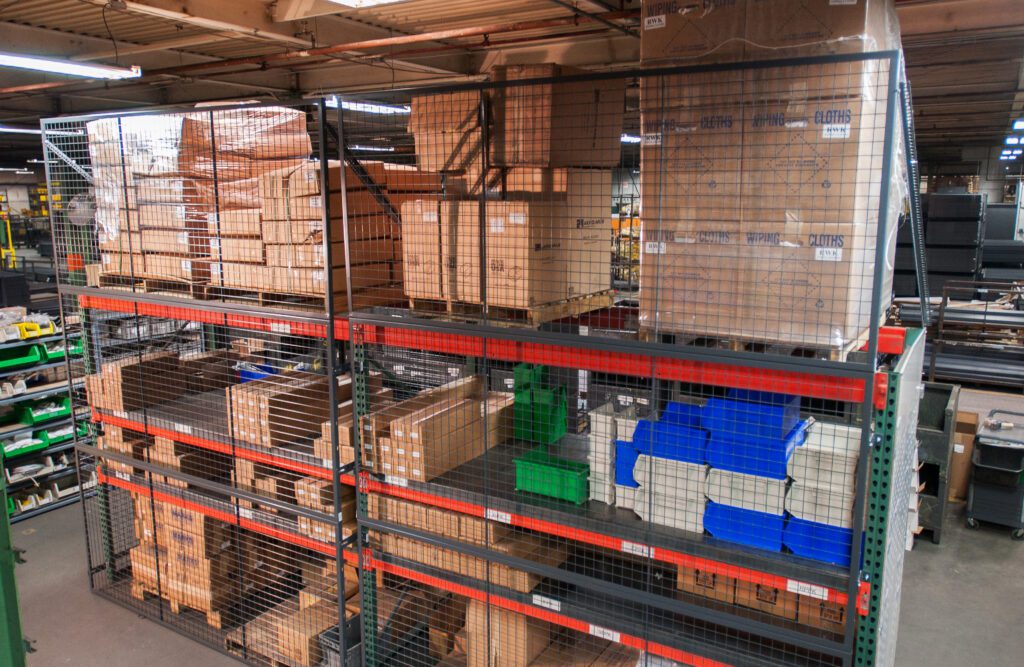
Secure customer storage cages can create dedicated holding areas on receiving docks. These enclosures help protect equipment and keep materials separated by customer until facility teams can move them to their final location. Wire mesh construction also allows teams to see stored materials while limiting access.
Storage areas present another safety concern. Facilities that use pallet racks need to reduce the risk of stored items falling into aisles or nearby work areas. WireCrafters RackBack® Pallet Rack Backing Safety panels install along the back of pallet racks to help contain stored materials.
Together, secure receiving areas and safer rack storage can help edge data centers protect equipment as it moves through the facility.
Several emerging technologies continue accelerating the need for edge infrastructure.
AI applications often require large amounts of data processing and rapid decision-making. Edge environments can support AI workloads that benefit from lower latency and localized processing.
As 5G adoption expands, edge data centers help support the increased speed, capacity, and connectivity that next-generation networks provide.
Connected traffic systems, public safety networks, utilities, and transportation infrastructure all rely on fast, reliable data processing that edge facilities can support.
As organizations demand faster performance, greater connectivity, and real-time access to information, edge data centers continue to play a larger role in modern technology ecosystems. Facility design will also need to support the security and safe movement of valuable equipment as edge networks expand.
WireCrafters offers flexible solutions for customer security cages, secure receiving areas, and rack safety throughout data center facilities. Contact a member of our team to discuss your edge data center project or request a quote today.



We have the expertise and the capacity to craft the perfect solution for you!
| Privacy Policy | Cookie Policy | Website Design by The Marketing Squad