What Is a Cloud Data Center?
Key Characteristics of a Hyperscale Data Center
Not long ago, businesses had to purchase, install, and maintain their own servers to run applications, store files, and support daily operations. Today, organizations can access computing resources on demand without owning the physical infrastructure. Cloud data centers make that possible.
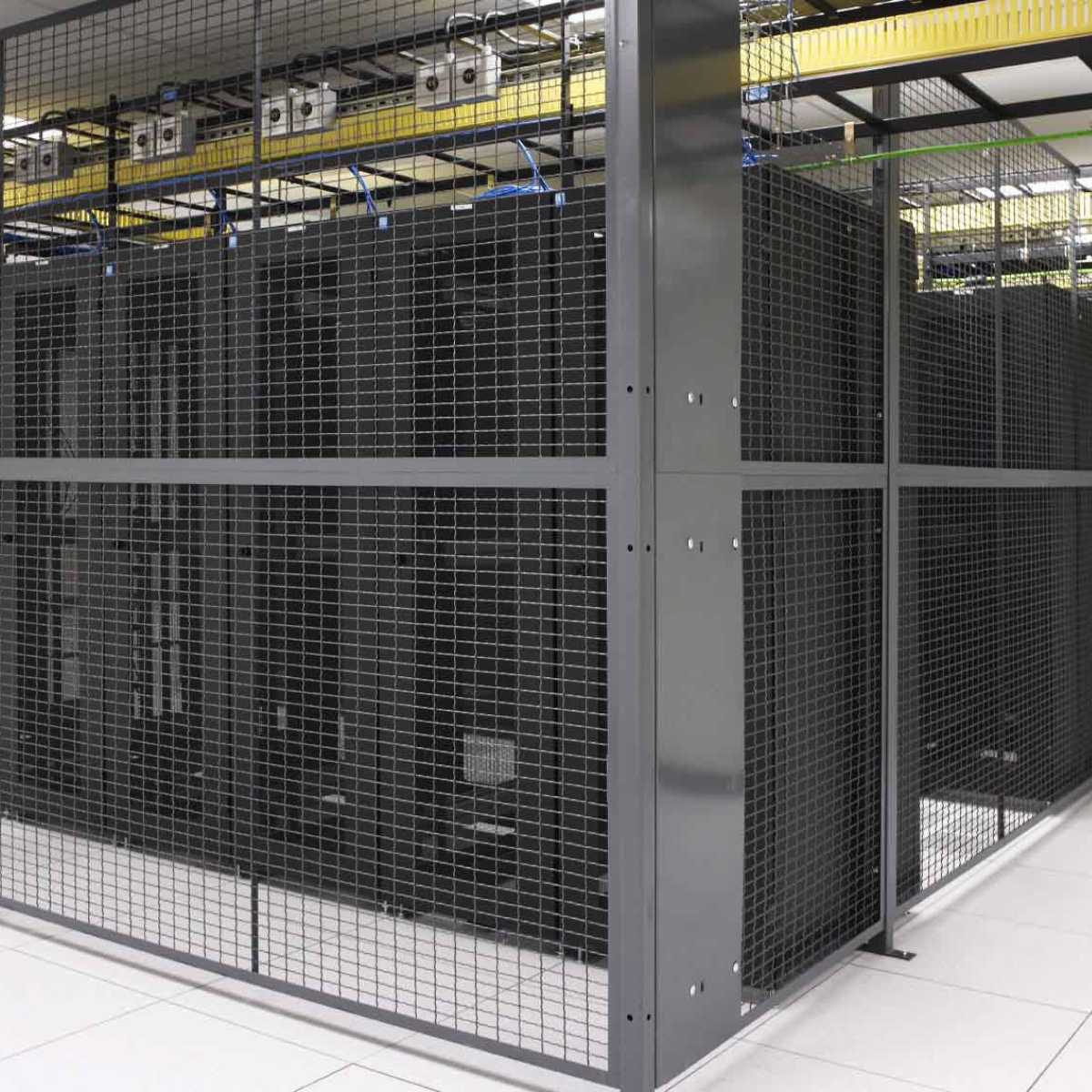
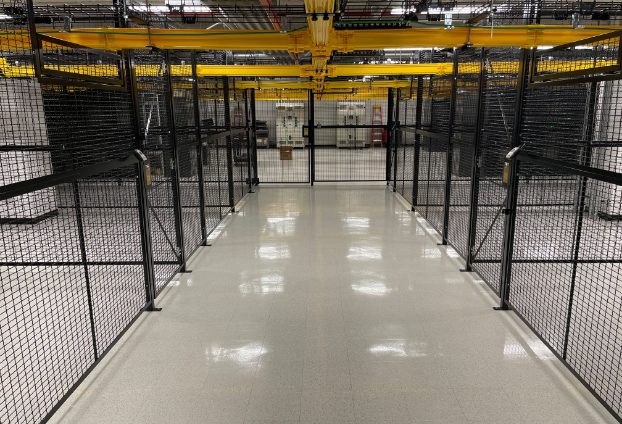
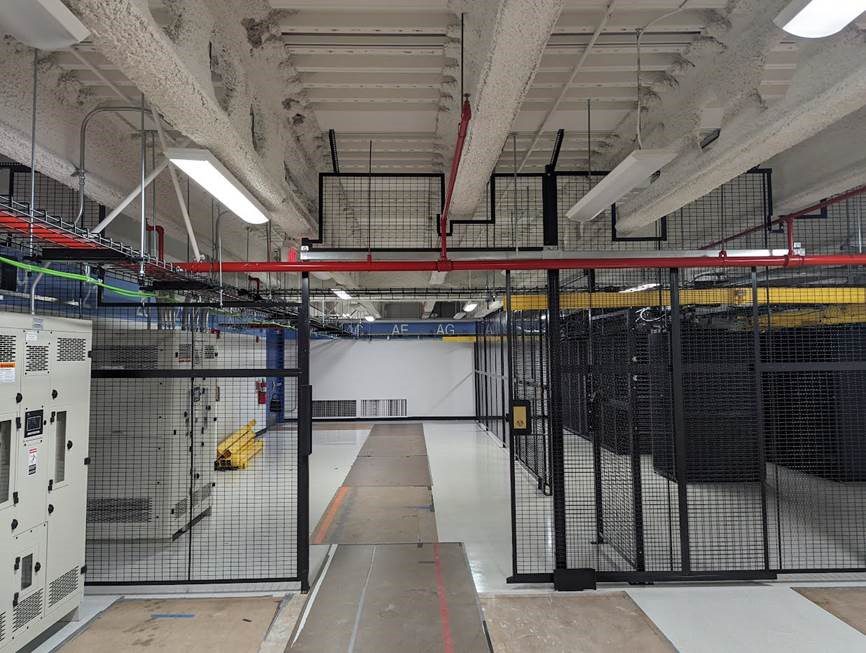
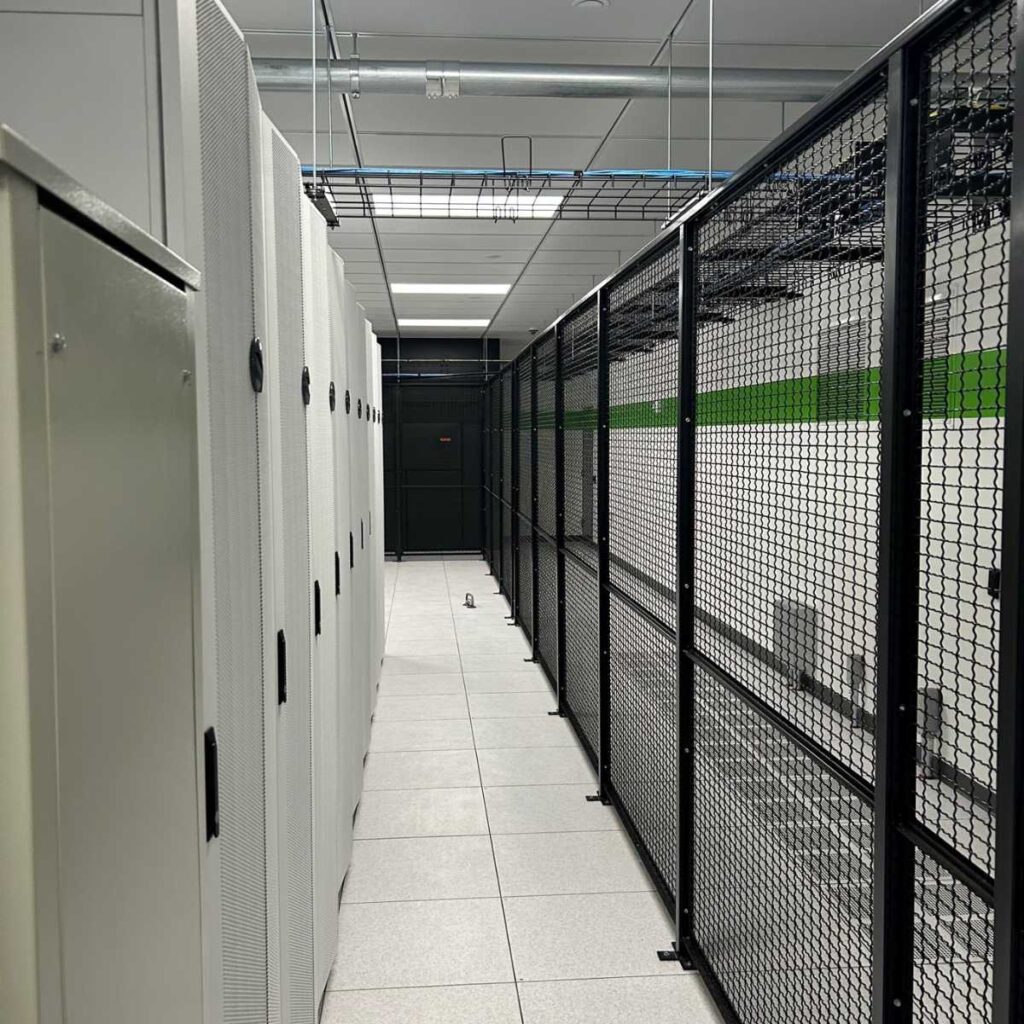
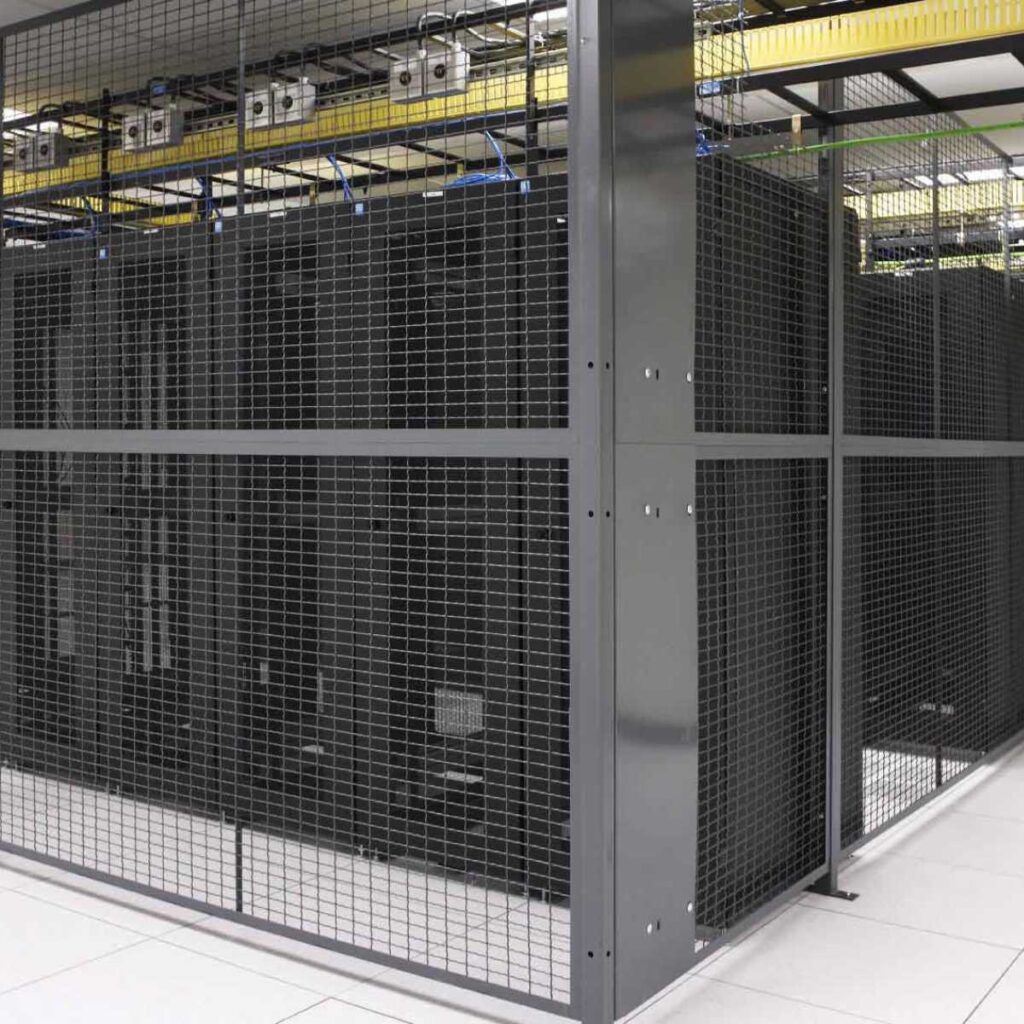
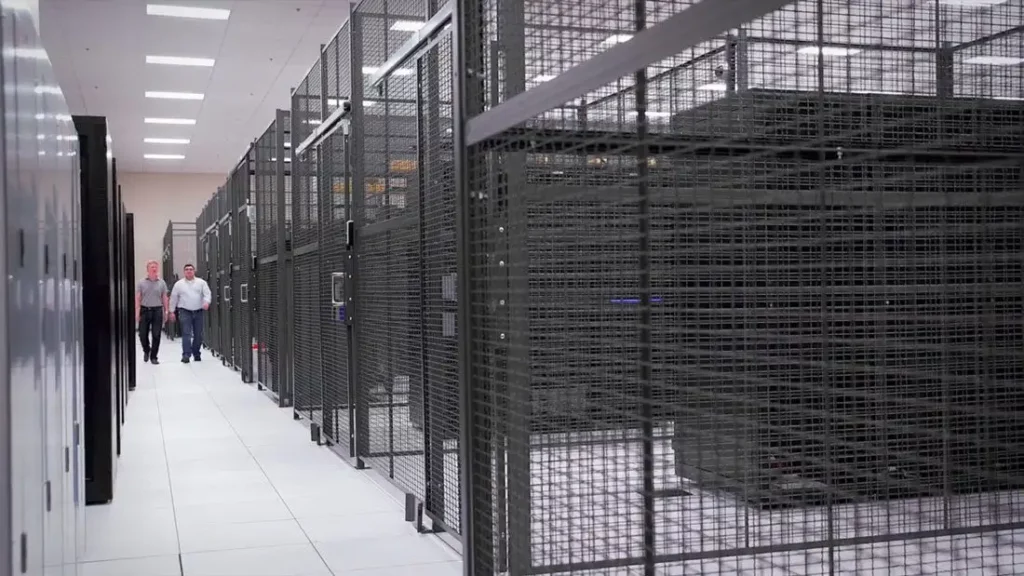
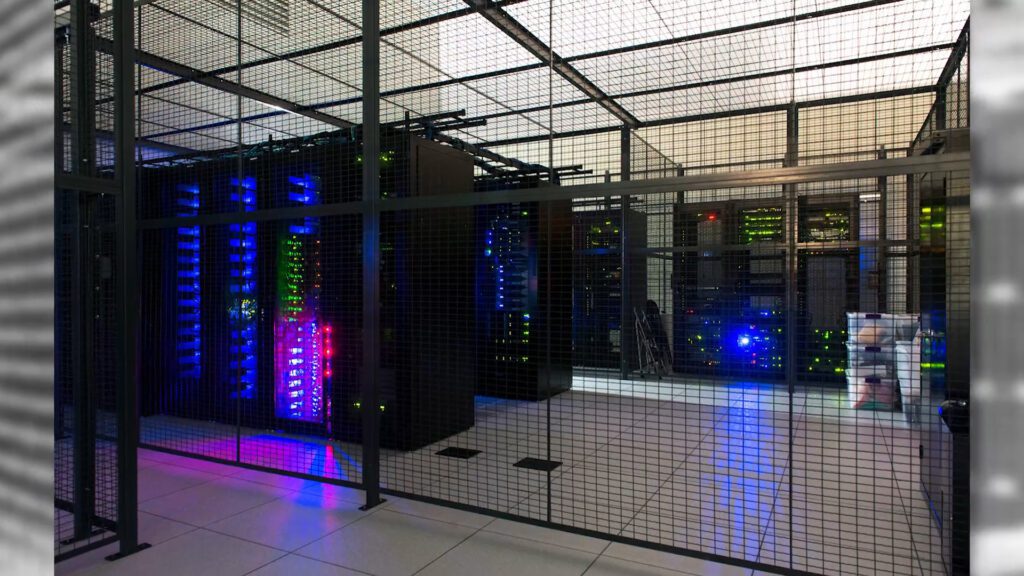
A cloud data center is a facility that houses the servers, storage systems, networking equipment, and supporting infrastructure used to deliver cloud computing services over the internet. Instead of operating their own hardware, businesses can access computing resources provided by a cloud service provider whenever they need them.
Cloud data centers serve as the foundation for many of the applications, platforms, and services people use every day.
How Cloud Data Centers Work
Cloud providers build and operate large networks of data centers to support customers worldwide. These facilities provide the physical infrastructure needed to deliver cloud computing services.
When a business uses cloud-based applications, stores files online, or deploys virtual servers, those resources typically run inside a cloud data center.
Users access these services through the internet while the cloud provider manages the underlying infrastructure, including:
- Servers
- Storage systems
- Networking equipment
- Power systems
- Cooling infrastructure
- Security measures
- Hardware maintenance
This model allows organizations to focus on their operations instead of managing physical IT infrastructure.
Types of Cloud Services Supported by Cloud Data Centers
Cloud data centers support a wide range of services designed to meet different business needs.
Infrastructure as a Service (IaaS)
IaaS provides virtualized computing resources, including servers, storage, and networking. Businesses can deploy and manage applications without purchasing physical hardware.
Platform as a Service (PaaS)
PaaS provides a development environment where organizations can build, test, and deploy applications without managing the underlying infrastructure.
Software as a Service (SaaS)
SaaS delivers software applications directly to users through the internet. Popular business tools, collaboration platforms, and customer relationship management systems often operate using this model.
Benefits of Cloud Data Centers
Organizations of all sizes use cloud services because they offer flexibility and scalability that traditional infrastructure may not provide.
Scalability on Demand
One of the biggest advantages of cloud computing is the ability to scale resources as needed.
Businesses can quickly increase or decrease computing capacity in response to workload demands without purchasing additional equipment.
This flexibility allows organizations to adapt to changing business requirements more efficiently.
Reduced Capital Investment
Building and maintaining a private data center requires high upfront costs.
Cloud services eliminate many of those expenses by allowing businesses to pay only for the resources they use. Organizations avoid large investments in hardware, facility infrastructure, and ongoing maintenance.
Faster Deployment
Cloud platforms allow businesses to deploy applications and services quickly.
Instead of waiting for new hardware installations, organizations can often provision servers, storage, and networking resources within minutes.
Global Accessibility
Cloud data centers support users across multiple locations and regions. Employees, customers, and partners can access applications and data from virtually anywhere with an internet connection.
This accessibility has become especially valuable for remote and hybrid work environments.
Public, Private, and Hybrid Cloud Models
Cloud data centers support several deployment models depending on an organization's requirements.
Public Cloud
Public cloud services provide shared infrastructure that multiple customers access through a cloud provider's platform.
This model often offers the greatest scalability and cost efficiency.
Private Cloud
Private cloud environments dedicate infrastructure to a single organization.
Businesses often choose private cloud solutions when they require greater control, customization, or regulatory compliance.
Hybrid Cloud
Hybrid cloud strategies combine on-premises infrastructure, private cloud resources, and public cloud services.
Many organizations use hybrid environments to balance flexibility, performance, security, and cost management.
Industries That Rely on Cloud Data Centers
Cloud computing supports organizations across nearly every industry.
Common users include:
- Healthcare providers
- Financial institutions
- Manufacturers
- Retail businesses
- Educational institutions
- Government agencies
- Technology companies
These organizations use cloud infrastructure to support applications, store data, improve collaboration, and drive digital transformation initiatives.
Security Inside Cloud Data Centers
Cloud providers invest heavily in security to protect customer data and maintain service availability.
Cloud data centers often utilize:
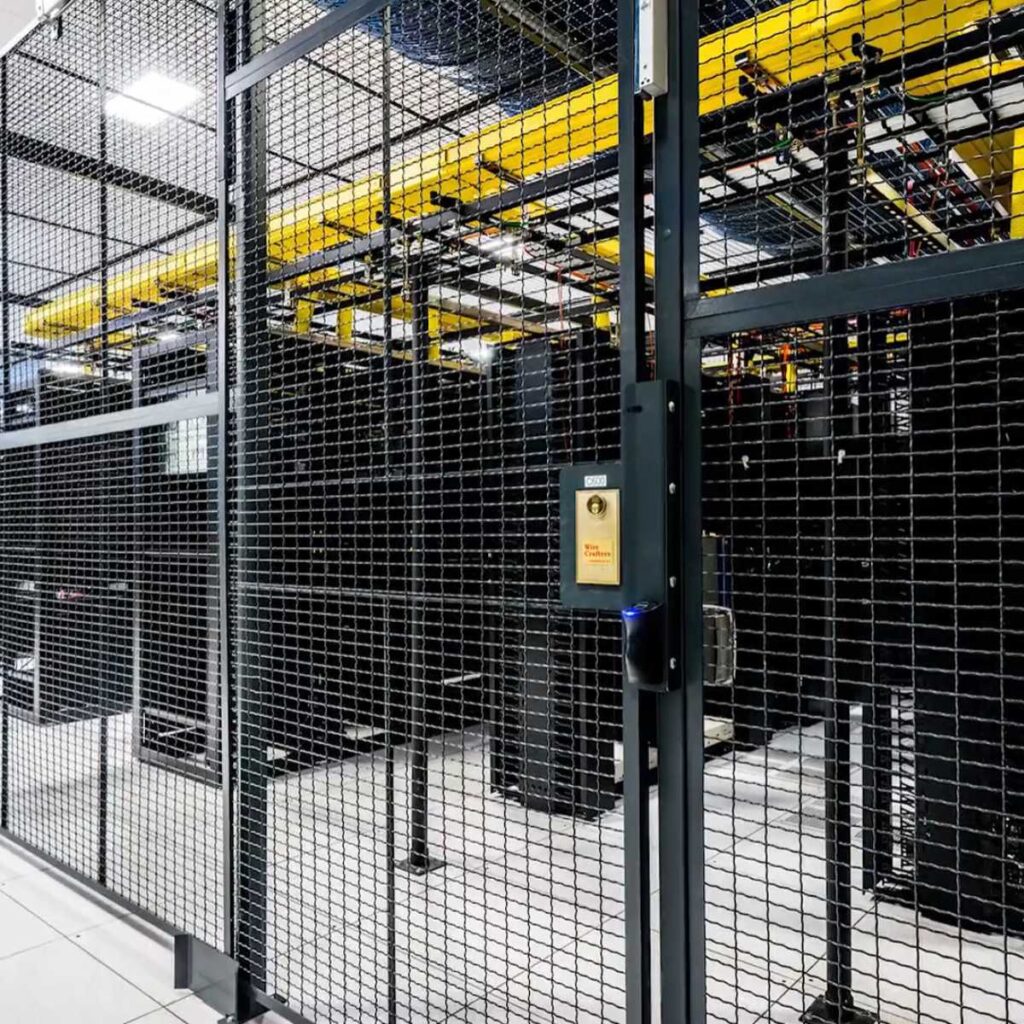
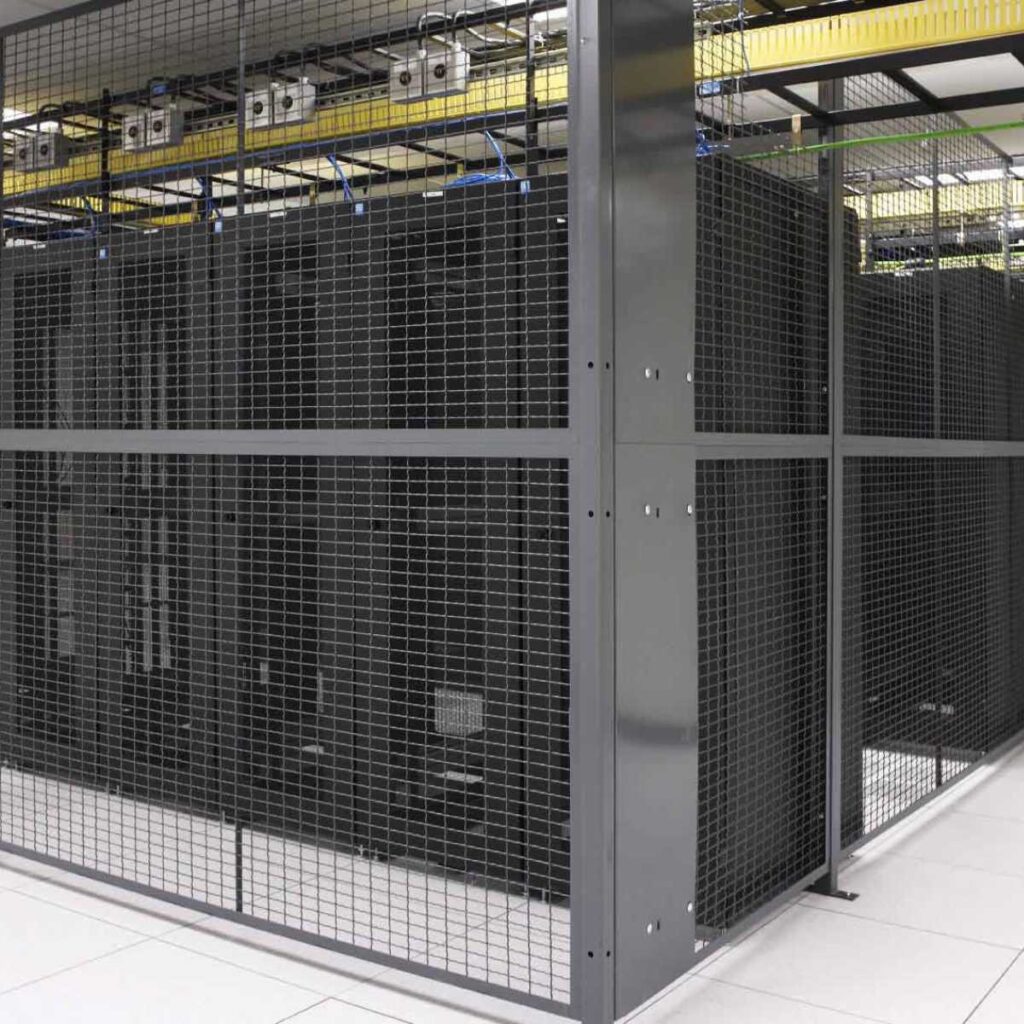
- Multi-layer physical security
- Video surveillance
- Access controls
- Network monitoring
- Data encryption
- Redundant infrastructure
- Disaster recovery systems
While providers secure the infrastructure itself, customers typically remain responsible for managing access controls, user permissions, and application security.
Why Cloud Data Centers Continue to Expand
Cloud adoption continues to grow as businesses seek greater flexibility, scalability, and operational efficiency. Artificial intelligence, machine learning, big data analytics, and remote work technologies all rely heavily on cloud infrastructure.
As organizations continue modernizing their technology strategies, cloud data centers will remain a critical component of the digital services that power business operations worldwide.