How Physical Security Supports Cybersecurity

Cybersecurity often starts with software. Firewalls, passwords, and encryption help protect data from online threats.

Yet, every network depends on physical equipment.

Servers, switches, cables, and other hardware can become vulnerable when the wrong person gains access. A strong security plan should protect both the network and the equipment behind it.

Physical security adds another layer of defense.

Cybersecurity Starts With Physical Hardware

Digital security tools protect systems from online threats. They cannot always stop someone from reaching a server or network device in person.

Physical access can create several risks. An unauthorized person could tamper with equipment, remove hardware, or reach network connections.

Limiting access to critical equipment helps reduce those risks.

Physical security and cybersecurity work best as part of the same plan.

Create Layers Around Critical Equipment

One locked door may not protect every system.

A data center may control access at the building entrance. The server room may add another layer. Individual server cages can further limit access.

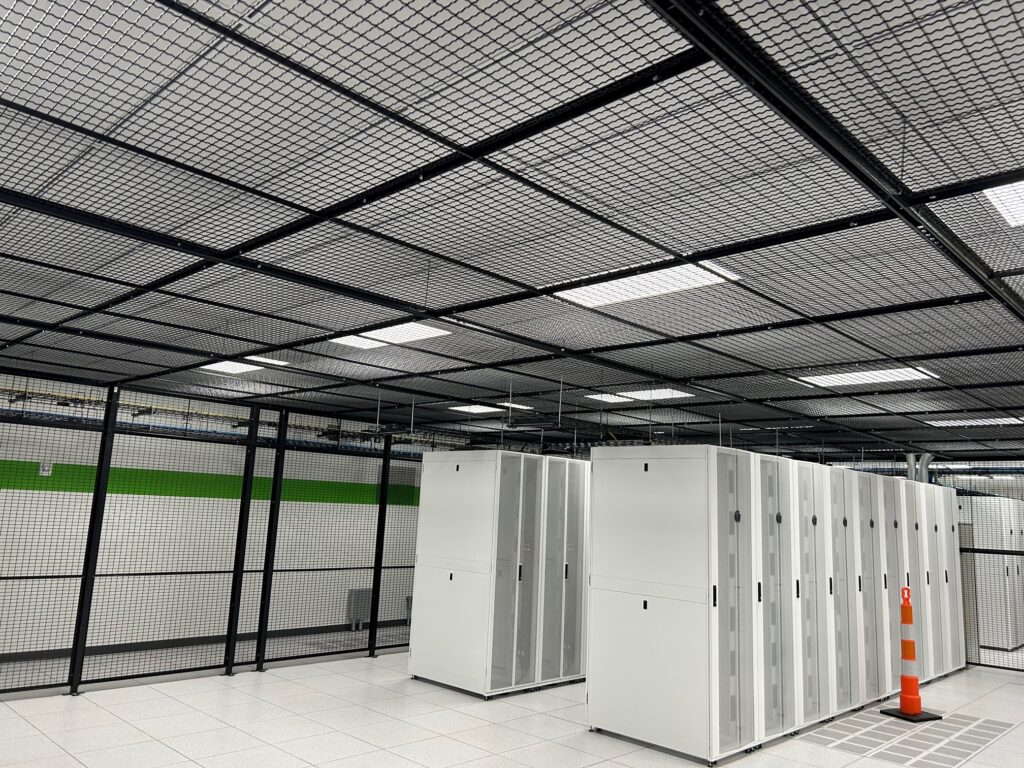
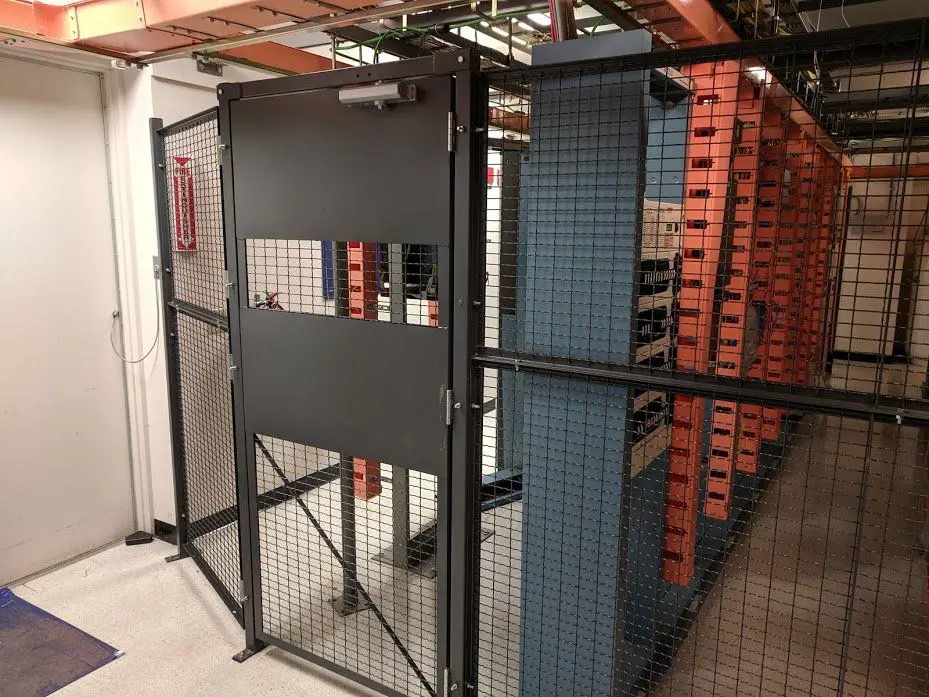
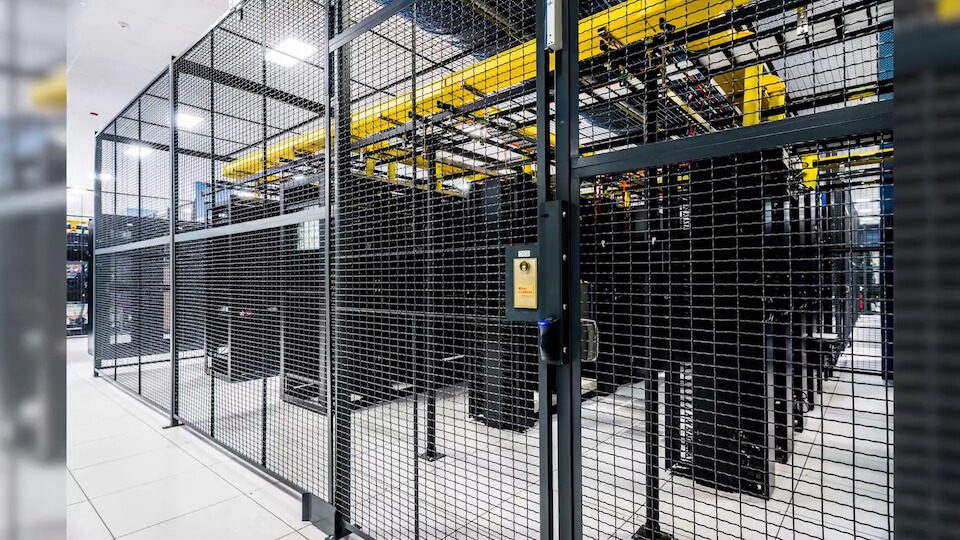
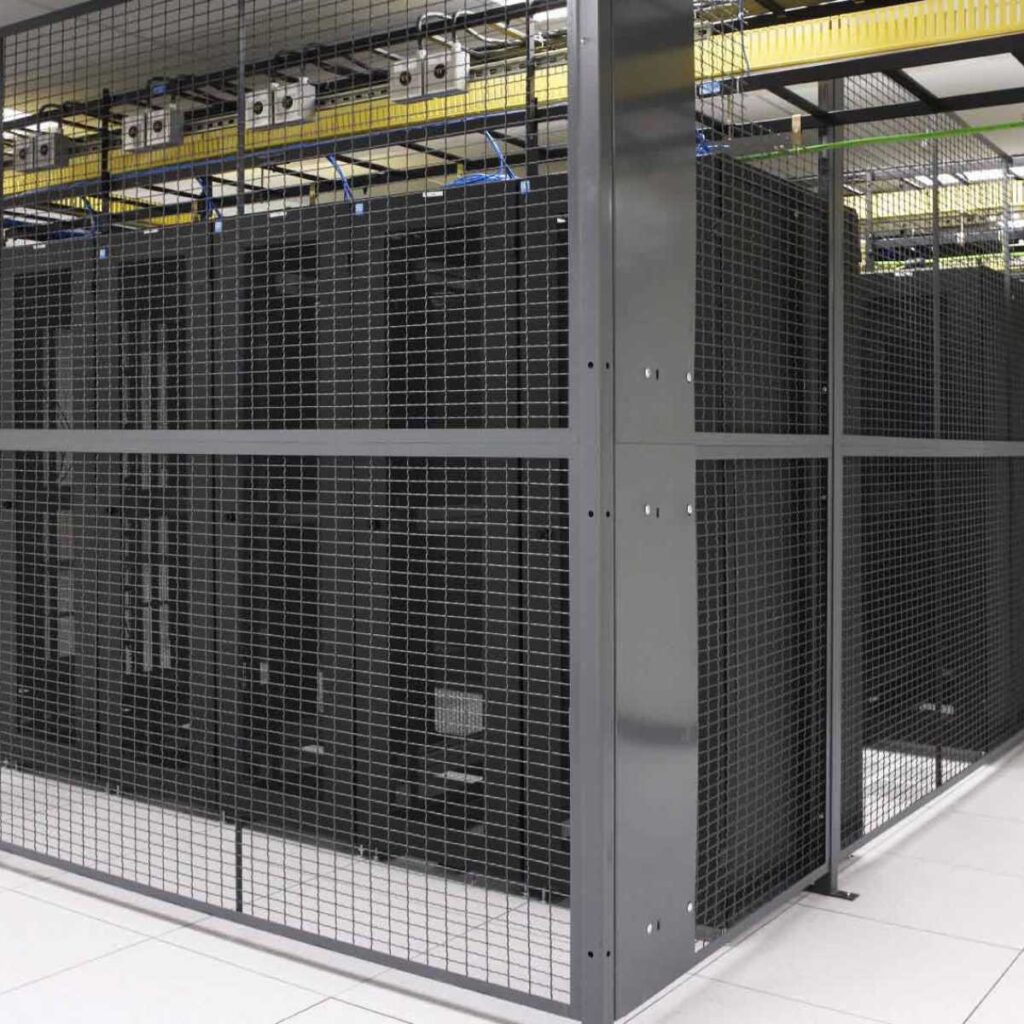
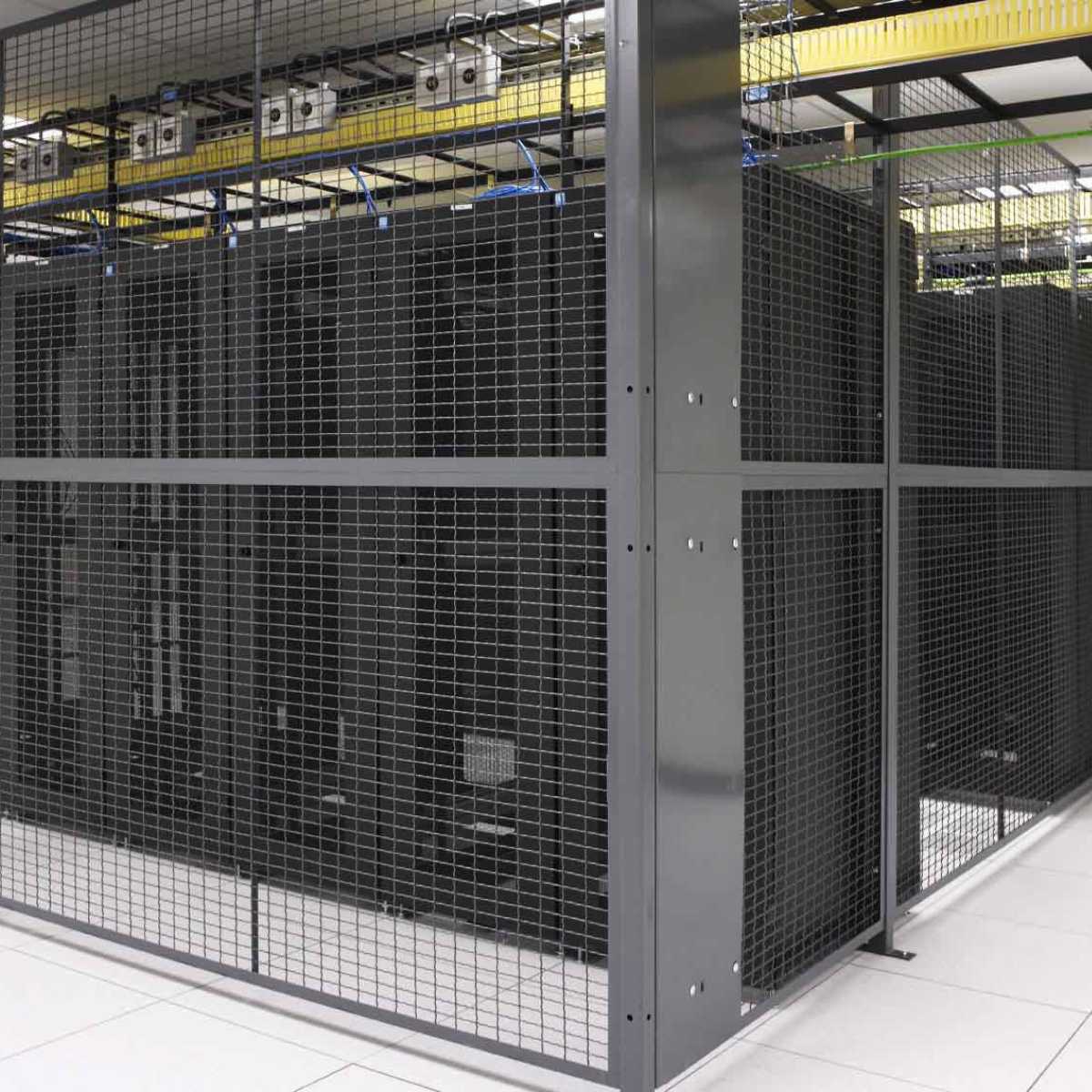
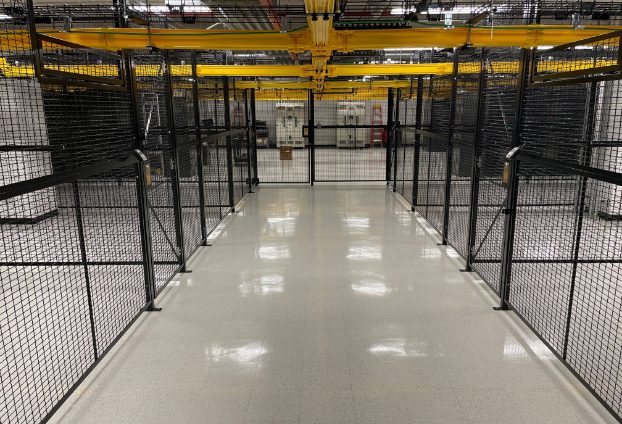
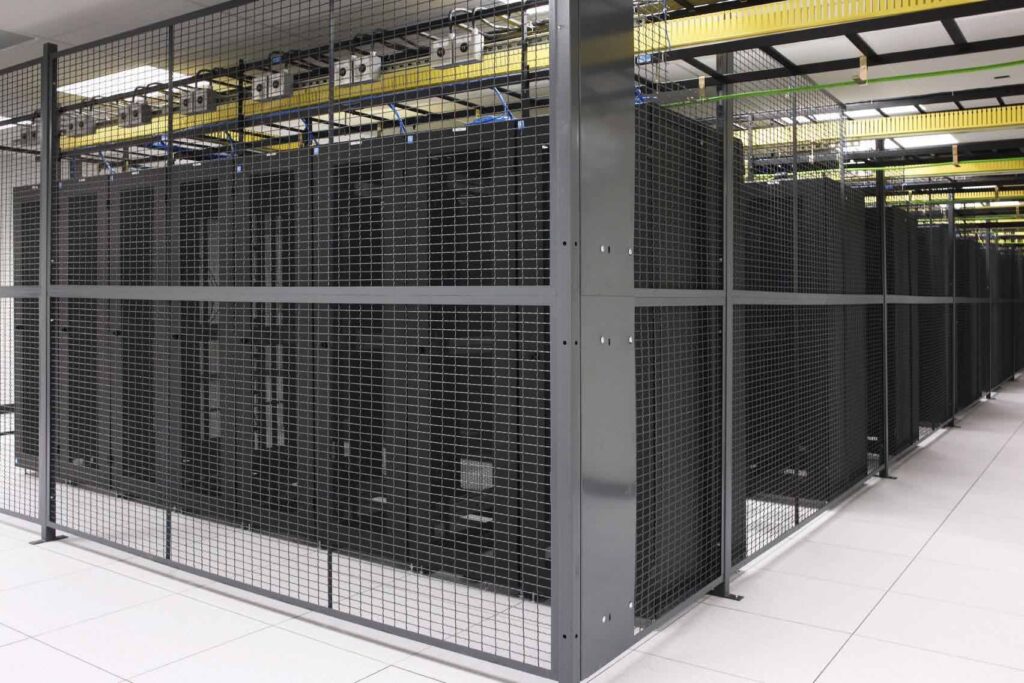
WireCrafters server cages can create dedicated areas around servers and network equipment. Facilities can secure one rack or groups of racks based on their needs.

The added barrier helps keep critical hardware separate from other parts of the facility.
Limit Access to Approved Users

Not every employee, vendor, or visitor needs access to network equipment.

Access control can help facilities decide who enters a secure area.

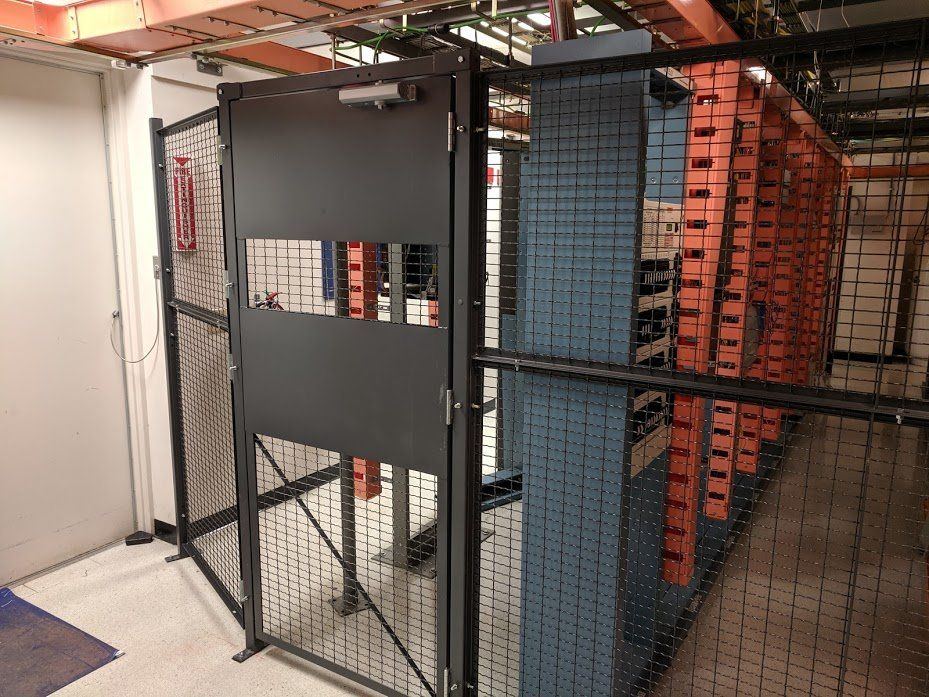
WireCrafters offers several lock options for ColoCage server cages. Options include key locks, keypads, card readers, biometric readers, and electronic locking systems.

The right setup depends on the facility and its security plan.

Controlled entry can help limit access to sensitive hardware to approved users.

Protect Equipment in Shared Spaces

Physical security becomes even more important in shared environments.

Colocation facilities may house equipment for several customers in the same building. Employees and service teams may also move through common areas.

A Style 840 Server Cage can create a defined space for each customer or group of equipment.

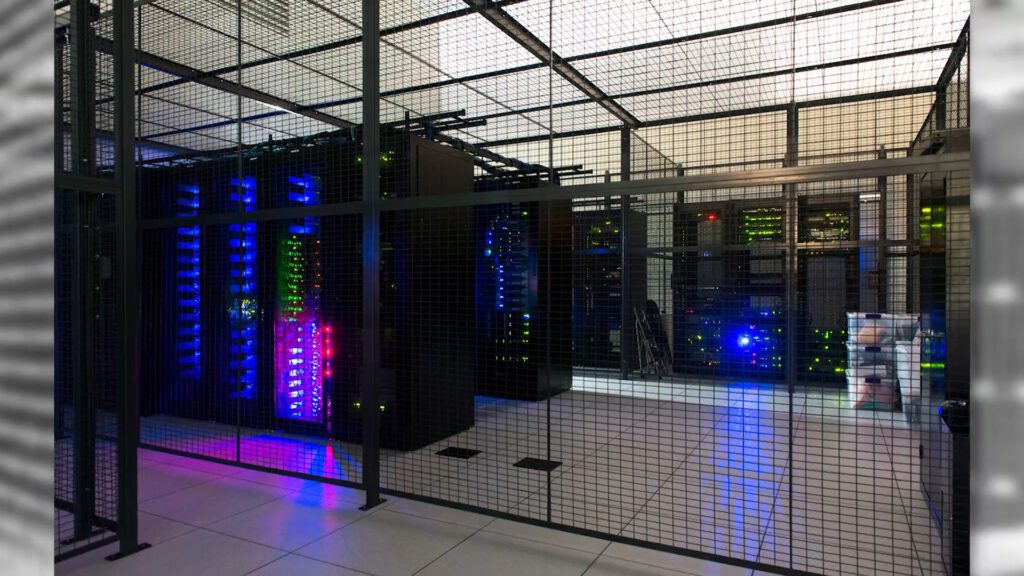
Wire mesh keeps the equipment visible while adding a physical boundary. Facilities can also use separate access controls for different secured areas.

Do Not Overlook Access Above and Below

A secure door only protects one part of the perimeter.

Teams should also review the space above and below critical equipment. Raised floors, drop ceilings, and nearby building systems can affect the security plan.

WireCrafters offers ceiling panels and custom cage configurations for applications that need added coverage. Wire partitions can also extend below raised floors in certain layouts.

A complete review can help teams find physical gaps before they become security concerns.

Keep Security From Disrupting the Data Center

Physical protection must still work with the equipment inside the cage.

Servers need airflow. Data centers also rely on lighting, cooling, and fire suppression systems.

Wire mesh allows air and light to pass through the secured area. The open design also maintains visibility around the equipment.

Facilities can add physical protection without placing a solid wall around every server rack.

Plan for Changes in Technology

IT environments change fast.

A facility may add server racks, move equipment, or change the way teams use a space. Physical security may need to change with it.

WireCrafters server cages use modular wire mesh panels. Teams can reconfigure many layouts as equipment needs change.

Security planning should remain part of the process whenever a facility adds or moves critical systems.

Connect Physical and Cybersecurity

A cybersecurity plan should not end at the network.

Physical access matters because digital systems rely on real equipment. Protecting servers and network hardware adds another layer to a broader security strategy.

Review who can reach critical equipment. Look for gaps around secure areas. Then choose physical controls that match the risks.

If your facility needs better physical protection for servers or network equipment, contact our team to discuss a WireCrafters server cage solution.

wirecraftes get a quote button

WireCrafters Data Center Solutions Division

Data Center Compliance and Physical Security

Data center compliance often brings cybersecurity to mind. Firewalls, encryption, and network controls all play a role. 

Physical security matters too.

Many security frameworks address who can enter areas that contain critical systems. They may also call for access records, visitor controls, or added protection around sensitive equipment. 

A strong physical security plan can help data centers meet those goals.

Why Physical Security Matters for Compliance

Digital controls cannot stop someone from walking up to a server.

Unauthorized physical access can expose hardware, network connections, and stored data. It can also create opportunities for theft, damage, or tampering.

For that reason, several security frameworks include physical access requirements.

The exact rules depend on the data, customer, and industry. However, access control often plays a key role.

PCI DSS Addresses Physical Access

Data centers that support payment systems may need to consider the Payment Card Industry Data Security Standard, or PCI DSS.

PCI DSS includes requirements for restricting physical access to cardholder data. Data centers and server rooms can qualify as sensitive areas under the standard.

Facilities must use appropriate controls to restrict entry into areas that contain systems in the cardholder data environment.

A secure server cage can support a larger physical security plan. It can create another controlled area around the equipment that needs protection.

NIST Includes Physical Security Controls

NIST guidance also addresses physical access.

NIST security controls cover areas such as access authorization, physical access control, visitor activity, and access records.

Those controls show why data center security needs more than protection at the front door.

A facility may have several layers of access. A worker might enter the building but still lack permission to reach certain systems.

ColoCage server cages can help create those separate security zones inside a data center.

colocation server cage racks

Control Access at the Cage

A physical barrier becomes more useful when a facility can manage who enters it.

WireCrafters offers several access control options for server cages. Options include card readers, keypads, biometric readers, electric strikes, and magnetic locks.

Facilities can select an option based on their security plan.

Access controls can also help facilities limit entry to approved users. Some electronic systems can support access records when paired with the right security platform.

Add Security Above and Below the Cage

Data center security does not stop at the cage door.

Some applications may need protection above the enclosure. Others may need security below a raised floor.

WireCrafters can design custom ColoCage systems around those needs. Cage walls can extend through drop ceilings or below raised floors. Ceiling panels can also close off the top of an enclosure.

Those options can help facilities address gaps in the physical perimeter.

Protect Equipment Without Blocking Airflow

Security measures still need to work with the data center environment.

Servers create heat and depend on steady airflow. A solid enclosure can affect how air moves around the equipment.

Wire mesh cages allow air to pass through the secured area. The open design also supports visibility and access for fire suppression systems.

Facilities can add physical separation while working with existing data center systems.

Match Security to the Compliance Goal

No single cage, lock, or access control system can guarantee data center compliance.

Compliance depends on the rules that apply to the organization. It also involves policies, procedures, technology, records, and ongoing reviews.

Physical barriers can support the larger plan by helping facilities restrict access to critical equipment.

Start with the requirements that apply to the facility. Then identify the systems that need protection and who should have access.

If your data center needs secure physical separation around critical equipment, contact our team to discuss a standard or custom ColoCage solution.and private suites for your facility.

wirecraftes get a quote button

WireCrafters Data Center Solutions Division

Server Cage vs. Private Suite: Which Should You Choose?

Colocation facilities offer several ways to secure IT equipment. Two common options are a server cage and a private suite.

Both can create dedicated space for servers and network gear. Yet, they serve different needs.

The right choice often comes down to security, privacy, space, cost, and future growth.

What Is a Server Cage?

A server cage uses wire mesh panels to create a secure area around one or more server racks.

The enclosure controls physical access while keeping the equipment visible. Its open design also allows air, light, and fire suppression systems to move through the space.

WireCrafters’ ColoCage server cages can secure a single rack or a larger group of racks. Standard and custom layouts are available.

This makes server cages a common choice for colocation facilities that need to divide a shared data hall into secure tenant spaces.

What Is a Private Suite?

A private suite gives one tenant a larger enclosed area within the data center.

Suites often provide more privacy than an open wire mesh cage. They may also give tenants more room for racks, work areas, or other equipment. 

This added space can make sense for larger deployments. It may also appeal to customers that want greater separation from the rest of the data hall.

However, a suite often requires more space and more construction than a modular cage.

Compare the Level of Physical Security 

Both options can control access to valuable equipment.

A server cage creates a strong physical boundary around the tenant space. Facilities can add keyed locks, card readers, keypads, biometrics, and other access control options.

Custom cage features can add even more protection. WireCrafters offers smaller mesh openings, ceiling panels, and custom cage heights for applications that need them.

A private suite can offer greater visual privacy because solid walls may block the view into the space.

The right level of security depends on the tenant, the equipment, and the facility’s security plan. 

Think About Airflow and Cooling

Cooling is a major part of data center design.

Wire mesh gives server cages an advantage here. Air can pass through the enclosure and reach the equipment inside. Existing HVAC systems can continue to serve the secured space.

The open design allows light and fire suppression systems to reach the area.

Private suites may require more planning for cooling and airflow. Solid walls can change how air moves through the data hall.

Consider How Much Space You Need

A server cage can work well for a small number of racks. It can also expand to cover a much larger area.

Our modular panels let facilities build around the space a tenant needs. Panels can also stack to create taller enclosures.

Private suites often make more sense for tenants that need a large dedicated footprint or added workspace inside the secured area.

Start with the current equipment count. Then consider what the tenant may need in the next few years.

Plan for Future Growth

Data center needs can change fast.

A company may add racks, replace equipment, or increase capacity. A modular server cage can make those changes easier.

WireCrafters server cages can be reconfigured as needs change. Facilities can expand the enclosure instead of rebuilding the entire space.

A private suite can also support growth, but the fixed layout may make future changes more involved.

Compare Cost and Construction

Cost can also shape the decision. 

A private suite may require walls, doors, and other building work. That can add time and cost to a data center project.

A wire mesh cage creates a secure tenant area without the same level of permanent construction.

We also offer Quick Ship Data Center Cages for facilities that need standard cage components on a shorter timeline.

For many colocation projects, this can provide a practical way to add secure space as demand grows. 

Which Option Is Right for Your Data Center? 

A private suite may be the better choice when a tenant needs more privacy or a large dedicated room. 

A server cage may make more sense when flexibility, airflow, visibility, and efficient space use matter most.

The decision should match the tenant’s security needs and long-term plans.

WireCrafters ColoCage systems offer standard and custom options for single racks, multi-rack areas, and larger data center spaces.

If you are comparing server cages and private suites for your facility, contact our team to discuss your layout and find the right enclosure for your needs.

wirecraftes get a quote button

WireCrafters Data Center Solutions Division

How to Secure Network Cabinets in Colocation Facilities

Network cabinets hold the equipment that keeps data moving. Routers, switches, servers, and other hardware all play a key role in daily operations. In a colocation facility, that equipment may also sit near hardware owned by other tenants.

A locked cabinet offers one level of protection. Adding physical barriers around network equipment can take security a step further.

Start With Controlled Access

The first step is simple. Limit who can reach the network cabinets.

Colocation facilities often have tenants, technicians, vendors, and staff working in the same building. Each person may need a different level of access. 

Our server cages create a secure area around one rack or a group of network cabinets. This setup helps keep equipment separate from other activities on the data center floor.

Add Security Around the Entire Cabinet

A lock on a network cabinet only protects the cabinet door. It does not control access to the space around it.

A wire mesh enclosure creates a larger physical barrier. Teams can secure the front, sides, and surrounding space. They can also add ceiling panels when the layout calls for more protection. 

Our Style 840 Wire Partition System uses heavy-duty wire mesh to create these secure server and network equipment areas.

Choose Access Control That Fits the Space

Think about who needs to enter the enclosure and how often they need access.

WireCrafters offers several lock options for our data center cages. Facilities can use card readers, keypads, biometrics, electric strikes, mag locks, and other access control options. 

Teams can match the lock to each space's needs. This works well in colocation facilities where tenants may have different security rules.

Consider Smaller Mesh Openings

The size of the wire mesh can also affect physical security. 

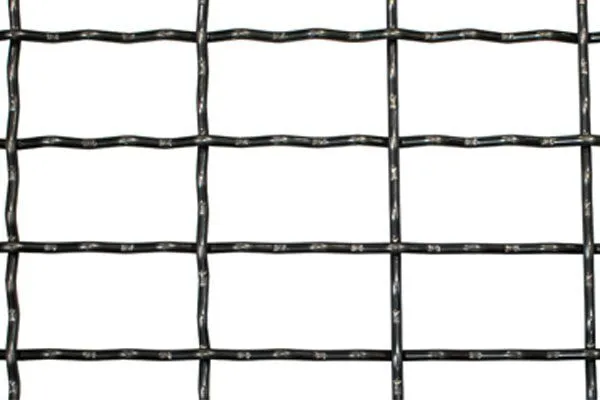
Our standard server cages use 2-inch by 1-inch woven wire mesh. We also offer custom mesh with smaller openings for applications that need another level of protection.

Options include 3/4-inch and 1/2-inch mesh. These smaller openings can help limit access through the cage while still providing the benefits of an open design. 

Keep Air Moving Around Network Equipment

Network cabinets produce heat. Any physical security system should account for cooling from the start.

Wire mesh allows air to move through the secured space. This helps the existing HVAC system reach the equipment without being limited by a solid wall.

The open design also maintains visibility. Data center staff can see equipment from outside the enclosure and spot issues without entering the cage.

Plan Around Cables and Building Systems

Network equipment depends on more than the cabinet itself. Power lines, data cables, overhead trays, and raised floors can all affect cage design.

Plan around these features before installation. A secure enclosure should protect the equipment without making routine service harder.

Our custom data center cages can extend below raised floors or through drop ceilings. We can also design around overhead systems and other parts of the facility.

Give Network Cabinets Room to Grow

Network needs rarely stay the same.

A tenant may add cabinets as its business grows. Another may need a new layout as technology changes.

Our modular server cages give data center teams room to adjust. Facilities can expand or reconfigure the secured area instead of committing to permanent walls.

Build Security Around Your Network Equipment

Securing network cabinets requires more than locking the cabinet door. The space around the equipment matters too.

Our server cages, Style 840 Wire Partition System, custom mesh options, and access control solutions help colocation facilities add physical security around critical network equipment. Teams can protect a single rack or create a larger enclosure for several cabinets.

If you’re planning a new colocation space or need more security around existing network cabinets, contact our team to discuss your project or request a quote today.

wirecraftes get a quote button

WireCrafters Data Center Solutions Division

Why Server Cages Matter in AI Data Centers

AI is changing what data centers need from their infrastructure. High-density racks, advanced GPUs, and powerful network systems now support some of the most demanding workloads in the industry.

With that investment comes a greater need for physical security. AI data centers need to protect valuable equipment while giving approved teams the access they need. Server cages can help create that balance.

AI Infrastructure Requires Strong Physical Security

Cybersecurity protects data and networks from digital threats. Physical security protects the equipment that makes those systems possible.

AI data centers often house costly GPUs, servers, storage systems, and network hardware. A strong physical barrier helps keep unauthorized people away from this equipment.

Our server cages create secure spaces around individual racks or larger groups of equipment. This gives data center teams another layer of protection inside the facility.

Control Who Can Reach AI Equipment

Access control matters in any data center. AI environments can make it even more important.

Technicians, vendors, customers, and other staff may all work inside the same facility. That does not mean everyone needs access to every rack.

Our server cages support several door and lock options. Facilities can choose keyed locks, card readers, keypad locks, fingerprint scanners, and other access control options. This allows teams to match each cage to the security needs of the space.

data and server security cage

Keep Cooling and Airflow Moving

AI hardware creates a large amount of heat. Data centers need cooling systems that can keep pace with these high-density workloads.

Physical security should not work against those systems.

Our Style 840 Server Enclosure System uses an open wire mesh design. Air can move through the enclosure while the cage protects the equipment inside. The mesh also allows light and fire suppression systems to reach the secured area.

This makes wire mesh a practical choice for AI data center security.

Protect Shared Data Center Space

Some AI data centers support several customers or workloads within one building. Teams need a clear way to separate these environments.

Server cages divide the floor into secure areas without the need for solid walls. Facilities can protect a single rack, multiple racks, or a larger section of the data hall.

This setup helps data center operators control access while making better use of available space.

Plan for Fast Growth

AI infrastructure continues to grow at a rapid pace. A data center may need to add racks, expand a customer space, or change its layout as demand increases.

Our modular server cage systems make those changes easier. Teams can reconfigure or expand cages as their needs change. They do not have to start over each time the data hall evolves.

We also offer custom panel sizes, ceilings, and several door styles to fit different data center layouts.

Add Physical Security to Your AI Strategy

AI data center security should protect more than software and networks. It should also protect the servers, GPUs, and other hardware that power AI workloads.

Our server cages provide strong physical separation while supporting access control, airflow, visibility, and future growth. That combination helps data center teams protect valuable equipment without making daily work harder.

If you’re planning to build or expand an AI data center, explore our server cage options and see how we can help protect your critical equipment. Contact our team to discuss your project or request a quote today.

wirecraftes get a quote button

WireCrafters Data Center Solutions Division

Multi-Tenant Data Center Security Explained

A multi-tenant data center has a unique job. It must give several customers access to the same facility while keeping each customer’s equipment secure.

That requires more than front-door security. Data center operators also need to control access inside the building. Server cages, custom locks, and smart layouts can add that layer of protection.

What Is a Multi-Tenant Data Center?

A multi-tenant data center houses IT equipment for more than one customer. Each tenant may lease a different amount of space based on its needs.

This shared model offers many benefits. Yet, it also creates a clear security concern. Customers need access to their own servers without gaining access to equipment that belongs to someone else.

Physical separation helps solve that problem.

Give Each Tenant a Secure Space

Server cages allow data centers to divide a shared data hall into private areas.

Our ColoCage server cages can surround a single rack, several racks, or a larger tenant space. This gives each customer a set area for servers and network equipment.

Wire mesh also keeps the space open. Staff can maintain clear sightlines across the data hall while the cage limits physical access to the equipment inside.

Add the Right Access Control

A cage creates the barrier. The lock determines who gets through the door.

Multi-tenant facilities may need different access rules for each customer. One tenant may use badge access. Another may require a keypad or biometric system.

We offer several custom lock options for our ColoCage systems. Options include mag locks, electric strikes, card readers, biometrics, and coded access locks. Facilities can choose hardware that works with their security plan.

This gives data center operators more control without forcing every tenant to use the same setup.

Look Beyond the Cage Door

Strong data center security should account for the full enclosure.

Facilities may need ceiling panels, smaller mesh openings, or custom cage heights to match the data hall layout. Cable paths and other building systems can also affect the final design.

Our custom ColoCage options include several mesh sizes, ceiling configurations, and panel materials. We can also design cages that extend below raised floors or through drop ceilings.

These choices help close gaps that could weaken the secured space.

WIreCrafters Colocage Security Options

Keep Airflow in Mind

Servers generate heat, so security cannot interfere with cooling.

Wire mesh allows air to move through each tenant cage. This helps the facility use its existing HVAC system without adding solid walls around every customer space.

The open design also supports visibility and allows fire suppression systems to reach the secured area.

Plan for New Tenants and More Equipment

A multi-tenant data center rarely stays the same for long. Customers add racks. New tenants move in. Existing customers may need more space.

Our modular cage systems let operators adjust layouts as needs change. Teams can expand an enclosure or create new tenant spaces without rebuilding the entire data hall.

That flexibility can make it easier to support growth while keeping physical security consistent.

Make Security Part of the Tenant Experience

Customers trust a colocation provider with valuable servers, data, and network equipment. A well-planned physical security system helps protect those assets while giving each tenant the access it needs.

Our ColoCage server cages, custom mesh options, ceilings, doors, and access control hardware help data centers create secure spaces within shared environments.

If you’re building or expanding a multi-tenant data center, contact our team to discuss your security needs or request a quote for a custom ColoCage solution.

wirecraftes get a quote button

WireCrafters Data Center Solutions Division

What Is a Cloud Data Center?

Key Characteristics of a Hyperscale Data Center

Not long ago, businesses had to purchase, install, and maintain their own servers to run applications, store files, and support daily operations. Today, organizations can access computing resources on demand without owning the physical infrastructure. Cloud data centers make that possible.

A cloud data center is a facility that houses the servers, storage systems, networking equipment, and supporting infrastructure used to deliver cloud computing services over the internet. Instead of operating their own hardware, businesses can access computing resources provided by a cloud service provider whenever they need them.

Cloud data centers serve as the foundation for many of the applications, platforms, and services people use every day.

How Cloud Data Centers Work

Cloud providers build and operate large networks of data centers to support customers worldwide. These facilities provide the physical infrastructure needed to deliver cloud computing services.

When a business uses cloud-based applications, stores files online, or deploys virtual servers, those resources typically run inside a cloud data center.

Users access these services through the internet while the cloud provider manages the underlying infrastructure, including:

This model allows organizations to focus on their operations instead of managing physical IT infrastructure.

Types of Cloud Services Supported by Cloud Data Centers

Cloud data centers support a wide range of services designed to meet different business needs.

Infrastructure as a Service (IaaS)

IaaS provides virtualized computing resources, including servers, storage, and networking. Businesses can deploy and manage applications without purchasing physical hardware.

Platform as a Service (PaaS)

PaaS provides a development environment where organizations can build, test, and deploy applications without managing the underlying infrastructure.

Software as a Service (SaaS)

SaaS delivers software applications directly to users through the internet. Popular business tools, collaboration platforms, and customer relationship management systems often operate using this model.

Benefits of Cloud Data Centers

Organizations of all sizes use cloud services because they offer flexibility and scalability that traditional infrastructure may not provide.

Scalability on Demand

One of the biggest advantages of cloud computing is the ability to scale resources as needed.

Businesses can quickly increase or decrease computing capacity in response to workload demands without purchasing additional equipment.

This flexibility allows organizations to adapt to changing business requirements more efficiently.

Reduced Capital Investment

Building and maintaining a private data center requires high upfront costs.

Cloud services eliminate many of those expenses by allowing businesses to pay only for the resources they use. Organizations avoid large investments in hardware, facility infrastructure, and ongoing maintenance.

Faster Deployment

Cloud platforms allow businesses to deploy applications and services quickly.

Instead of waiting for new hardware installations, organizations can often provision servers, storage, and networking resources within minutes.

Global Accessibility

Cloud data centers support users across multiple locations and regions. Employees, customers, and partners can access applications and data from virtually anywhere with an internet connection.

This accessibility has become especially valuable for remote and hybrid work environments.

Public, Private, and Hybrid Cloud Models

Cloud data centers support several deployment models depending on an organization's requirements.

Public Cloud

Public cloud services provide shared infrastructure that multiple customers access through a cloud provider's platform.

This model often offers the greatest scalability and cost efficiency.

Private Cloud

Private cloud environments dedicate infrastructure to a single organization.

Businesses often choose private cloud solutions when they require greater control, customization, or regulatory compliance.

Hybrid Cloud

Hybrid cloud strategies combine on-premises infrastructure, private cloud resources, and public cloud services.

Many organizations use hybrid environments to balance flexibility, performance, security, and cost management.

Industries That Rely on Cloud Data Centers

Cloud computing supports organizations across nearly every industry.

Common users include:

These organizations use cloud infrastructure to support applications, store data, improve collaboration, and drive digital transformation initiatives.

Security Inside Cloud Data Centers

Cloud providers invest heavily in security to protect customer data and maintain service availability.

Cloud data centers often utilize:

While providers secure the infrastructure itself, customers typically remain responsible for managing access controls, user permissions, and application security.

Why Cloud Data Centers Continue to Expand

Cloud adoption continues to grow as businesses seek greater flexibility, scalability, and operational efficiency. Artificial intelligence, machine learning, big data analytics, and remote work technologies all rely heavily on cloud infrastructure.

As organizations continue modernizing their technology strategies, cloud data centers will remain a critical component of the digital services that power business operations worldwide.

wirecraftes get a quote button

WireCrafters Data Center Solutions Division

Physical Security Best Practices for Colocation Facilities

Physical security is just as important as cybersecurity in a colocation facility. Firewalls and encryption protect digital assets, but they cannot stop someone from walking into a server area. A strong physical security plan helps protect customer equipment, supports compliance efforts, and keeps daily operations running smoothly.

Here are five best practices every colocation facility should consider.

Create Separate Customer Spaces

Many colocation providers serve multiple customers under one roof. Each customer expects their equipment to remain private and protected.

Our ColoCage data center cages create dedicated spaces for each tenant. These enclosures separate servers and network equipment while allowing customers to lease only the space they need.

This layout also helps staff manage the facility more efficiently.

Control Access at Every Entry Point

Not everyone should have access to every part of a data center.

Facilities should limit entry to authorized personnel and document who enters secured areas. Electronic access control, keypads, card readers, and keyed locks all help strengthen security.

Our cage systems support a variety of lock options, allowing facilities to choose the access method that fits their security policies and operational needs.

Protect Critical Infrastructure

Customer equipment is only one part of the operation. Power distribution units, network switches, and support systems also require protection.

Our wire mesh enclosures create secure areas around critical infrastructure without blocking visibility. Teams can perform inspections and maintenance while keeping unauthorized individuals away from essential equipment.

Protecting these systems helps reduce the risk of service interruptions.

Maintain Visibility Across the Data Center

Security improves when employees can quickly see what is happening throughout the facility.

Wire mesh construction provides clear sightlines into secured spaces. Staff can monitor activity, verify equipment locations, and respond to issues without entering every enclosure.

The open design also supports airflow, lighting, and fire suppression systems. This helps facilities maintain both security and equipment performance.

Choose Solutions That Can Grow

Colocation facilities continue to expand as customer demand increases. Security systems should grow along with them.

Our modular cage systems allow facilities to add new enclosures, expand existing spaces, or adjust layouts without major construction. This flexibility helps operators respond to changing customer needs while maintaining consistent physical security.

Strengthen Your Physical Security Strategy

Strong physical security starts with controlled access, organized layouts, and clearly defined spaces. These best practices help protect customer equipment, reduce operational risk, and support long-term growth.

Contact a member of our team today or request a quote to learn more about our colocation security solutions or request a quote for your facility.

wirecraftes get a quote button

WireCrafters Data Center Solutions Division

What Is a Hyperscale Data Center?

Streaming platforms, artificial intelligence, and cloud services require massive amounts of computing power. As digital demand grows, technology companies need facilities that can handle large workloads at scale. This demand has fueled the growth of hyperscale data centers.

A hyperscale data center is a large facility built to support extensive computing infrastructure. These facilities can grow as technology needs change. Operators can add servers, storage, and network resources as demand increases. Hyperscale data centers often support cloud platforms, AI applications, big data, and global online services.

Companies such as Amazon Web Services, Microsoft, Google, and Meta operate some of the largest hyperscale data centers in the world.

How Hyperscale Data Centers Differ From Traditional Facilities

Traditional enterprise data centers often support the needs of one organization. Hyperscale facilities operate on a much larger level. They can support thousands of servers and huge amounts of traffic across global networks.

These facilities prioritize:

Hyperscale operators also plan for growth from the start. Many facilities expand in phases. This approach allows operators to add capacity without redesigning the entire facility.

Key Characteristics of a Hyperscale Data Center

Massive Scale

Hyperscale facilities can span hundreds of thousands or even millions of square feet. They may house tens of thousands of servers. These servers support cloud computing, streaming services, AI workloads, and other applications.

The size of these facilities also creates unique needs for security, airflow, access, and space management.

Scalability

The ability to scale quickly defines a hyperscale data center. Operators need infrastructure that can grow without major disruptions.

They can add servers, storage systems, and network equipment as workloads increase. Flexible facility designs also make future expansion easier.

Energy Efficiency and Airflow

Hyperscale data centers use large amounts of power. As a result, operators focus on energy use and cooling efficiency.

Advanced cooling systems help control heat from high-density server equipment. Facility design can also help direct airflow and separate different areas.

Wire mesh division walls systems can support these layouts by separating multi-hall galleries while still allowing air to move freely through the space. This open design helps maintain more consistent airflow compared to solid wall construction, which can restrict circulation. Operators can use these systems to create defined areas without compromising airflow performance.

Automation

Hyperscale data centers rely on automation to manage large and complex environments. Automated systems can track server performance, power use, cooling, and security.

This technology gives operators better insight into facility conditions. It can also help teams find and address issues faster.

Redundancy and Reliability

Downtime can affect millions of users at once. Hyperscale facilities use several systems to help maintain reliable operations.

Backup generators, redundant power systems, multiple network connections, and failover systems help protect against service disruptions. Facility teams also plan for maintenance without shutting down critical operations.

Where Hyperscale Data Centers Are Commonly Used

Hyperscale facilities support many of the digital services people use each day, including:

AI has created even more demand for large-scale computing infrastructure. These workloads often require high-performance servers, greater power capacity, and efficient cooling systems.

Storage and Safety in Hyperscale Data Centers

Servers may be the main focus of a hyperscale facility, but these sites also need space for equipment, parts, tools, and other materials.

Storage areas must stay organized and safe. Items stored on pallet racks can create a risk if products fall from the back of the rack. This can put employees, equipment, and nearby work areas at risk.

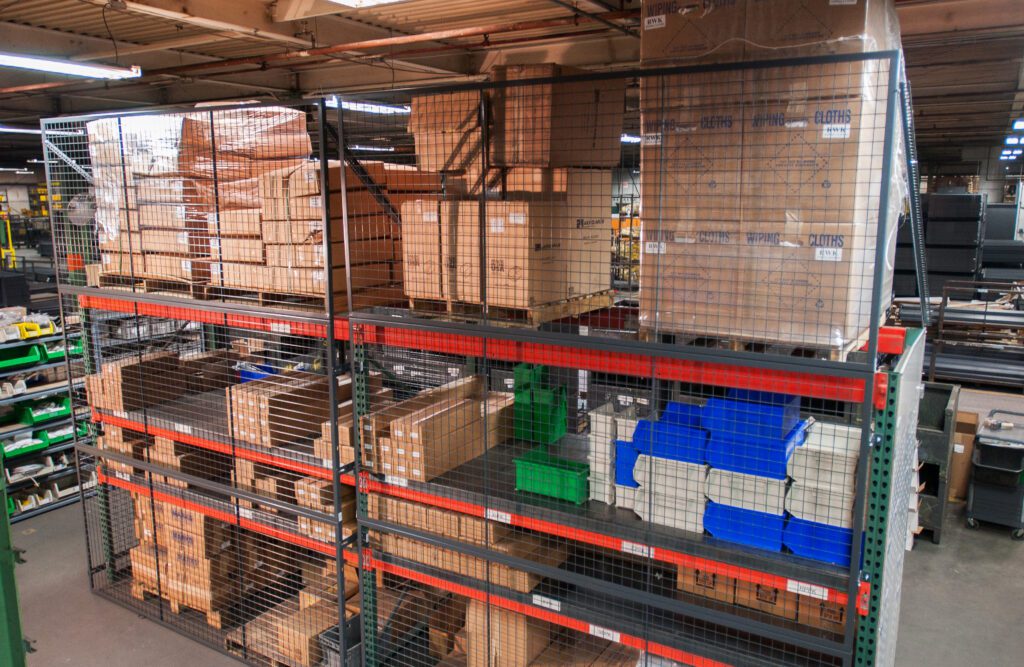
WireCrafters RackBack® Pallet Rack Backing Safety Panels create a physical barrier along the back of pallet racks. The panels help contain stored materials and reduce the risk of items falling into aisles or work areas.

RackBack® can provide added protection in storage and support areas throughout a hyperscale data center.

Why Hyperscale Infrastructure Continues to Grow

Demand for cloud services, connected devices, streaming content, and AI applications continues to increase. Businesses and consumers also expect fast access to digital services with little downtime.

Hyperscale operators continue to build larger and more advanced facilities to meet those needs. Many companies also expand into new regions to improve network performance and bring services closer to users.

Security Considerations in Hyperscale Facilities

Security plays a critical role in hyperscale operations. These facilities often use several layers of physical and digital protection, including:

The size of a hyperscale facility can make physical separation just as important as access control. Operators may need to divide server halls, equipment areas, storage spaces, and other restricted zones.

Physical barriers can help define these spaces and guide access throughout the facility. They can also support security plans without limiting visibility or airflow.

The Future of Hyperscale Data Centers

AI, automation, and cloud technology continue to change how hyperscale facilities operate. At the same time, operators must find better ways to manage power, cooling, security, and space.

Facility infrastructure will need to evolve with these demands. Flexible physical barriers, airflow-friendly separation, and safer storage solutions can help operators prepare their facilities for continued growth.

wirecraftes get a quote button

WireCrafters Data Center Solutions Division

What Is an Enterprise Data Center?

Every organization depends on technology to keep operations moving. From internal communication and financial systems to customer databases and business applications, companies need secure infrastructure to store, process, and manage critical information. Many organizations handle those responsibilities through an enterprise data center.

An enterprise data center is a private facility owned or operated by a single organization to support its internal IT operations. Unlike colocation or hyperscale facilities that serve multiple customers, enterprise data centers are dedicated solely to one business or organization.

These facilities give companies direct control over their servers, storage systems, networking equipment, cybersecurity measures, and operational infrastructure.

How Enterprise Data Centers Operate

Enterprise data centers support an organization's daily technology needs. Companies may build these facilities on-site at a corporate campus, inside a dedicated building, or within a regional office environment.

IT teams manage and maintain the infrastructure internally, including:

Organizations design enterprise data centers around their specific operational requirements, compliance standards, and long-term business goals. Facility layouts may also include separate data halls, equipment rooms, storage areas, and other controlled spaces. The right physical barriers can help define these areas while supporting security and daily operations.

data center cage with black mesh walls

Why Organizations Use Enterprise Data Centers

While many businesses continue adopting cloud services, enterprise data centers still play a major role in industries that require high levels of control, customization, or regulatory compliance.

Greater Operational Control

Enterprise facilities allow organizations to manage every aspect of their infrastructure. Internal IT teams maintain direct oversight of hardware, security policies, software environments, and system performance.

This level of control can be especially important for businesses with unique operational requirements or legacy systems.

Enhanced Data Security

Many organizations choose enterprise infrastructure because it allows them to implement customized security protocols tailored to their specific risk profile.

Companies often use layered security strategies that include:

Industries handling sensitive information often prioritize maintaining direct ownership of their infrastructure and data environments.

Physical separation can add another layer of protection. Wire mesh partitions can help create defined zones around servers, equipment, and other restricted areas. They can limit access while maintaining visibility throughout the facility.

Compliance Requirements

Healthcare providers, financial institutions, government agencies, and manufacturers may face strict regulatory requirements regarding how they store and manage data.

Enterprise data centers allow organizations to build infrastructure that aligns with industry-specific compliance standards and internal governance policies.

Performance and Reliability

Enterprise facilities let organizations optimize infrastructure for their specific applications and workloads. Businesses can design systems around performance expectations, redundancy requirements, and operational priorities.

Many enterprise data centers include:

Cooling and airflow also play an important role in data center performance. Server equipment produces heat, so facilities need effective ways to manage temperature and airflow.

WireCrafters Air Handling solutions can help divide these spaces without blocking airflow. Wire mesh division walls can separate multi-hall galleries, data halls, and other areas while allowing air to move through the facility. This approach helps create clear boundaries without the airflow limits of a solid wall.

Common Industries That Use Enterprise Data Centers

Many industries continue relying on enterprise infrastructure to support critical operations and protect sensitive data.

Healthcare

Hospitals and healthcare organizations manage patient records, imaging systems, and critical medical applications that require secure and reliable infrastructure.

Financial Services

Banks and financial institutions process sensitive financial transactions and customer information that require strong security and uptime protections.

Manufacturing

Manufacturers use enterprise infrastructure to support production systems, inventory management, automation technologies, and operational analytics.

Government and Defense

Government agencies often maintain enterprise data centers to support secure communications, internal operations, and classified information systems.

Enterprise Data Centers vs. Cloud and Colocation

Enterprise data centers differ from other facility types because organizations own and control the environment.

Enterprise Data Center

Colocation Data Center

Hyperscale Data Center

Many organizations now combine enterprise infrastructure with cloud or colocation services as part of a hybrid IT strategy.

Managing Storage Areas in Enterprise Data Centers

Enterprise data centers need more than server and network space. Many facilities also maintain storage areas for spare equipment, replacement parts, tools, and other supplies. These areas need the same focus on safety and organization as the rest of the facility.

Pallet racks can help facilities make better use of storage space. However, items can fall from the back of a rack and enter an aisle or nearby work area. WireCrafters RackBack® Pallet Rack Backing Safety panels create a barrier along the back of pallet racks. The panels help contain stored items and reduce the risk of materials falling into areas below or behind the rack.

RackBack® helps enterprise data centers create safer, more organized storage areas while maintaining visibility around stored materials.

Challenges Facing Enterprise Data Centers

Enterprise facilities offer control and flexibility, but they also require significant investment and ongoing maintenance.

Organizations must manage:

As technology evolves, many companies continue modernizing enterprise environments to improve efficiency, scalability, and long-term performance.

The Evolving Role of Enterprise Infrastructure

Enterprise data centers continue adapting alongside changing business needs and advancing technology. Many organizations now integrate cloud platforms, automation tools, and AI-driven technologies into their existing infrastructure strategies.

As these facilities change, their physical infrastructure must adapt as well. Flexible separation, efficient airflow, secure spaces, and safe storage can help organizations prepare their enterprise data centers for future demands.

Every enterprise data center has different needs. WireCrafters can help you create secure spaces, improve storage safety, and support airflow throughout your facility. Contact a member of our team to discuss your project or request a quote today. 

wirecraftes get a quote button

WireCrafters Data Center Solutions Division